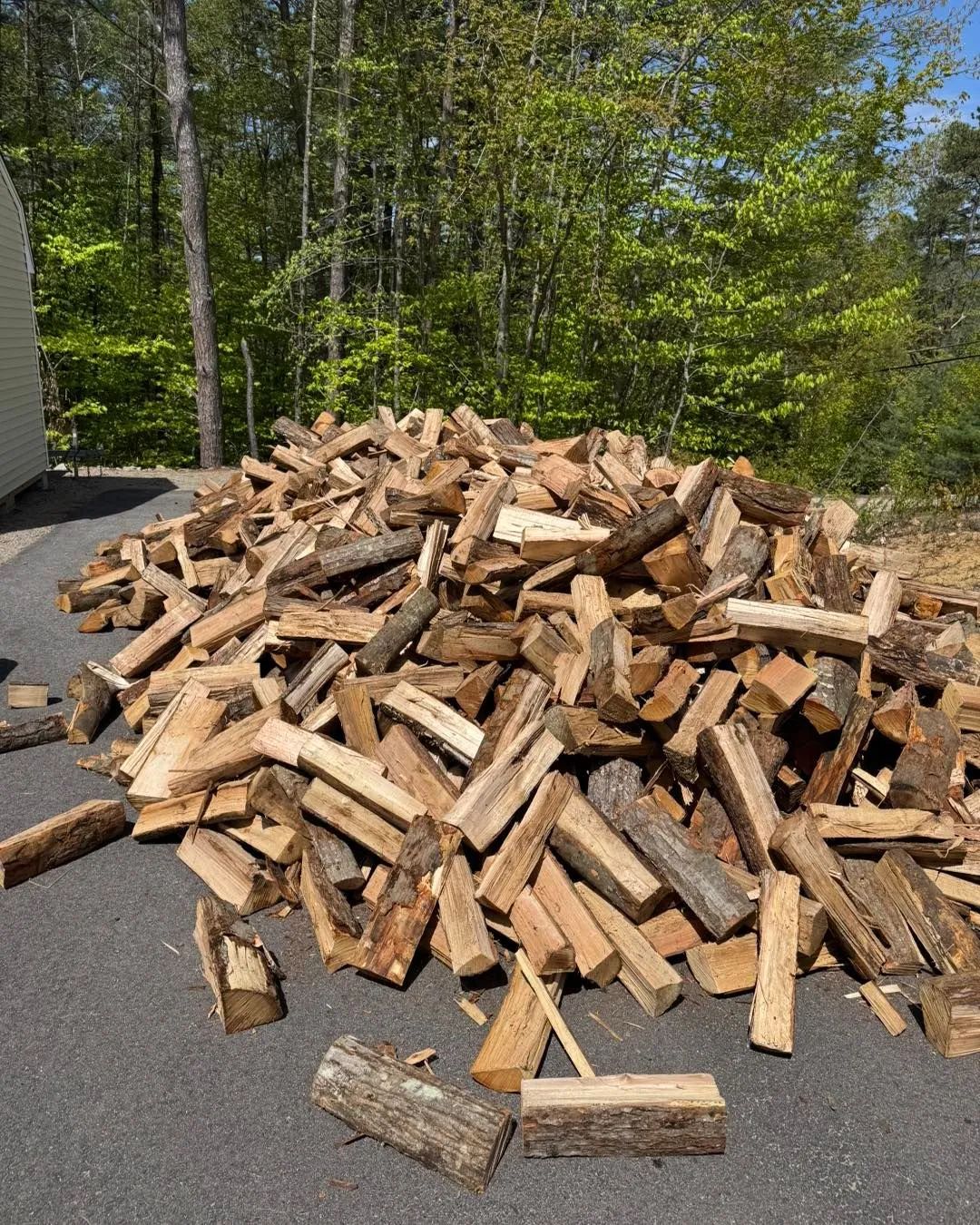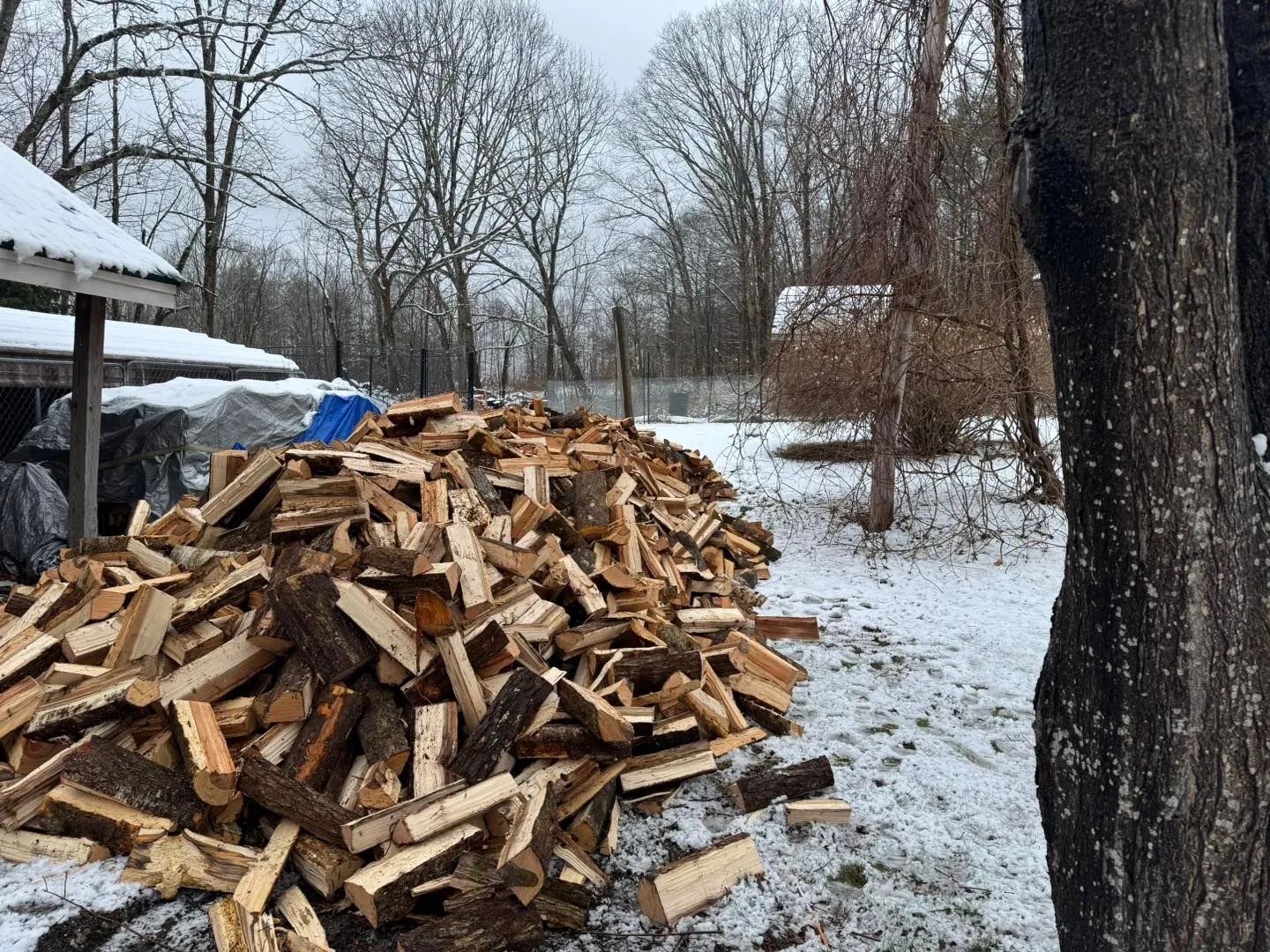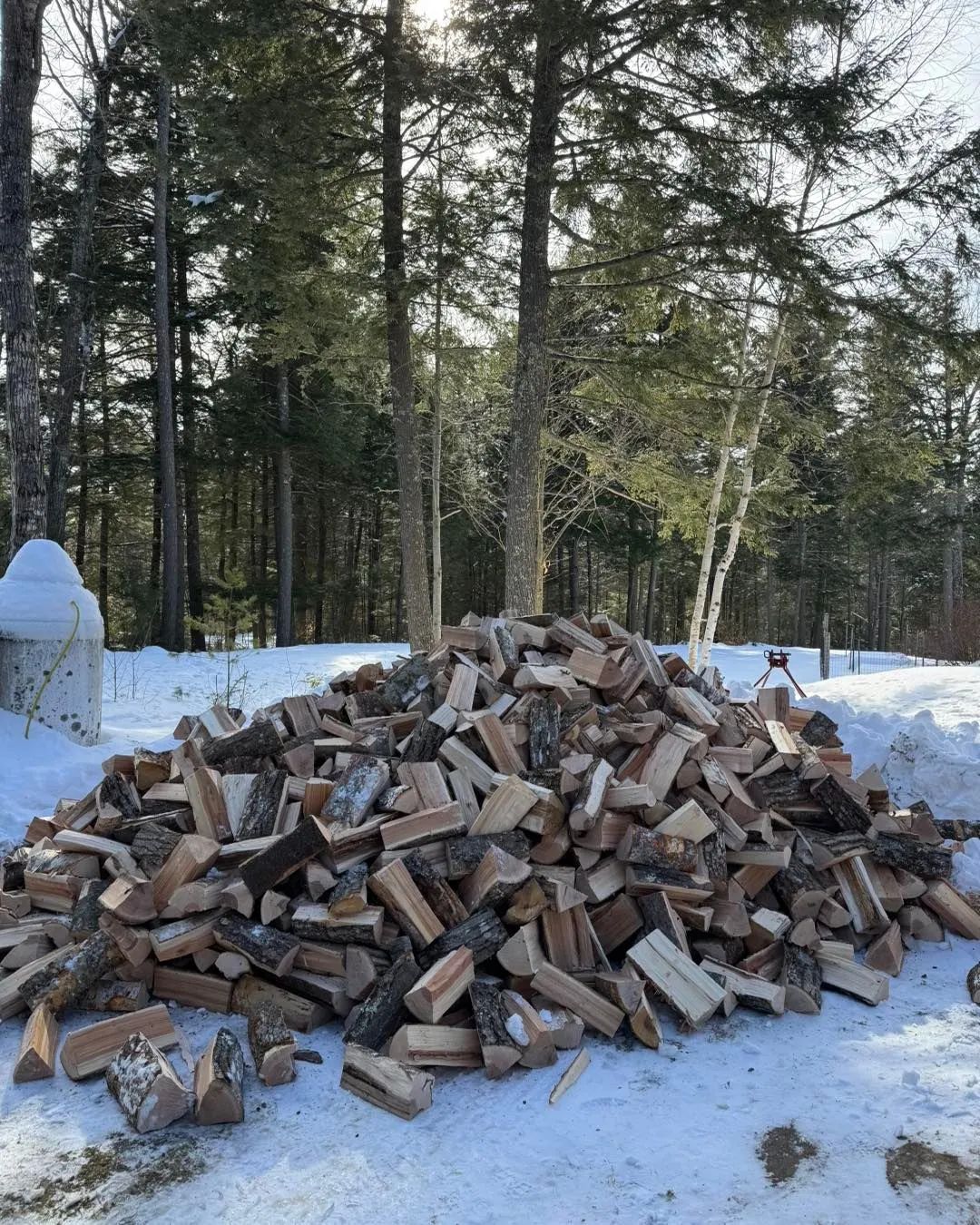

Maple Firewood Breakdown: Heat Output, Seasoning Time, and Value
July 27, 2026
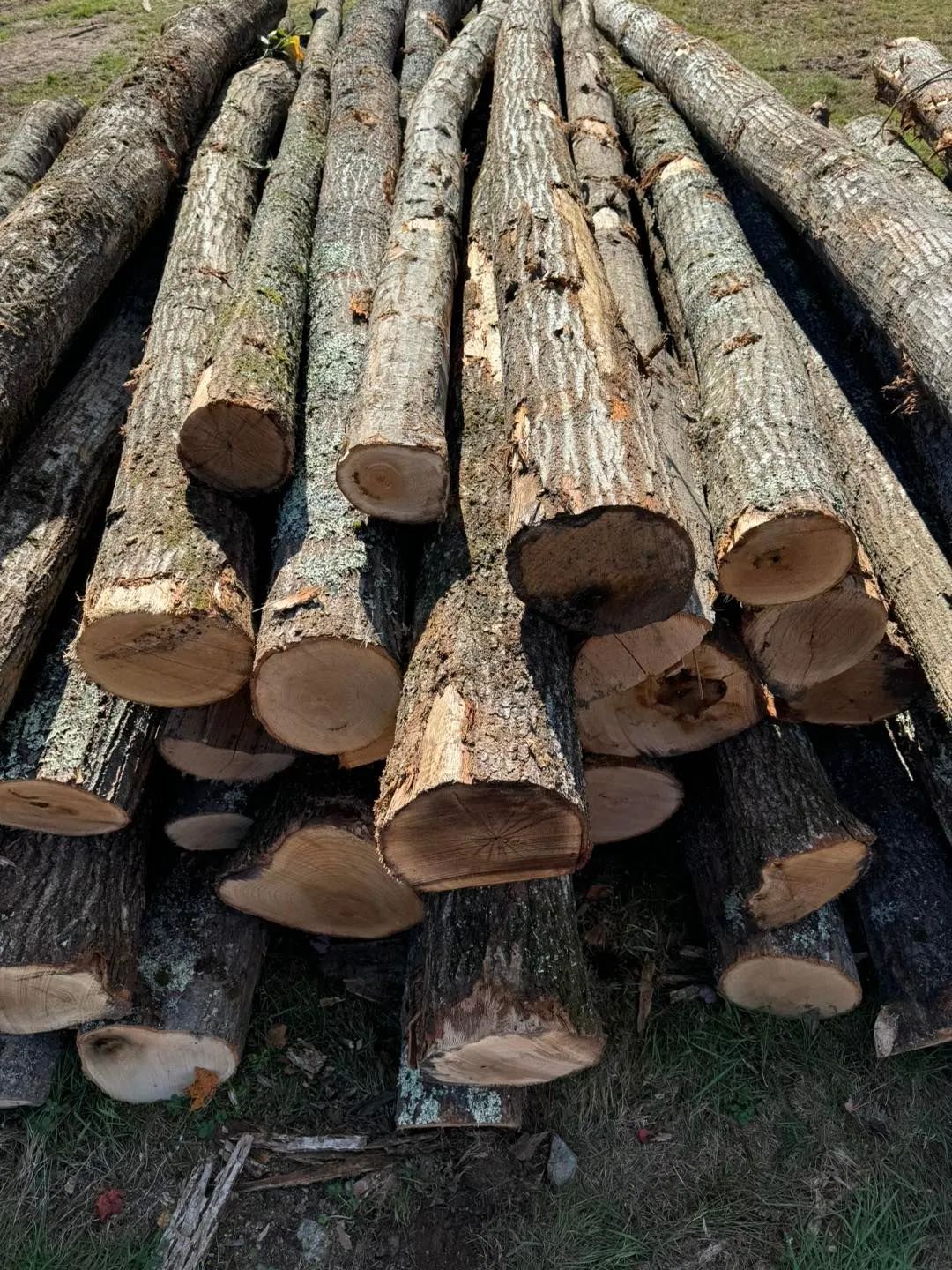
Quick Answer: Maple is a strong, steady heating wood, but the number that matters depends on which maple you've got. Hard maple, meaning sugar maple, runs roughly 24 to 29 million BTUs per cord, right in oak's league, with excellent coals for overnight burns. Soft maples like red and silver come in lower, around 18 to 24 million, and burn a little faster. Air-seasoned maple is usually ready in six to twelve months, with sugar maple the slowest and silver maple the quickest, all dried under 20 percent moisture. The real payoff is versatility: maple lights easier than oak, seasons in about half the time, throws few sparks, and smells faintly sweet in the stove.
You load the stove at night hoping to wake up to live coals, not a cold box and a fire to rebuild from scratch. Maple is one of the woods that lets you do that, and it does it without oak's long wait to dry. That mix is a big part of why it shows up in so many Lakes Region woodpiles.
But "maple" is a wide word. The tree in your neighbor's front yard and the one in the swamp behind the house both count, and they burn nothing alike. Sort that out first and the rest of the picture, heat, drying time, and what the wood is actually worth to you, falls into place.
What "Maple" Really Means in Your Woodpile
Firewood people split maple into two camps: hard and soft. It's the single most useful thing to know before you burn a stick of it.
Hard maple is sugar maple, and you'll hear old-timers call it rock maple. There's a reason for the nickname. Seasoned sugar maple is dense, heavy, and downright stubborn under a maul. It's the one that burns hot and holds a bed of coals for hours.
Soft maple covers red maple, silver maple, and boxelder. These are still hardwoods. The "soft" only describes how they stack up against sugar maple, not their place on the chart. They weigh less, split easier, and give up less heat per cord.
Both grow all over New Hampshire, so a mixed load off any local woodlot can carry some of each. Telling them apart is mostly a matter of heft. Pick up two splits of the same size and the sugar maple sits noticeably heavier in your hand. Its bark is thick, rough, and plated; silver maple bark peels away in long shaggy strips. Look at the cut end, too, since hard maple shows a tight, fine grain while the soft maples look more open and porous. If a split feels surprisingly light and the bark is thin and smooth, odds are you're holding boxelder, the lowest-heat member of the family.
Heat Output: What a Cord of Maple Actually Gives You
Heat in firewood gets measured in BTUs per cord, and the spread across maple species is wide enough to matter.
Sugar maple sits near the top of the northern hardwoods at roughly 24 to 29 million BTUs per cord. To put that in plain terms, a cord of hard maple carries heat in the same neighborhood as red oak, which is about as good as it gets for wood you can grow on your own land here. Red maple comes in lower, somewhere around 18 to 24 million, and silver maple lower still, near 19 million when it's dried to burning weight. Boxelder trails the group. None of the soft maples are bad wood. They just burn through faster on a subzero January night, so you feed the stove a little more often.
Coals are where maple earns its keep. Raw flame is only half of what a stove burner wants. The other half is coaling, the wood's ability to burn down to a dense bed of embers that still holds fire at five in the morning. Sugar maple rates excellent here. Load it before bed, damp the stove down, and you'll find live coals waiting to catch a fresh split at dawn. The soft maples make decent coals too, though the bed won't last as long.
Maple also behaves itself in the firebox. It's not a snappy wood like pine, so it doesn't throw sparks or pop hard, which makes it safe for an open fireplace or a stove you run with the door cracked. And the smoke has a mild, faintly sweet smell, a little syrupy, which tracks given where maple syrup comes from. Of all the reasons people reach for maple, that smell is the one they mention without being asked.
TIP: Split maple while it's green, especially sugar maple. Once hard maple dries out it lives up to the rock-maple name and fights every swing of the maul. Green, it comes apart clean, and the extra cut faces help it dry faster once it's stacked.
Seasoning Time: How Long Before It's Ready to Burn
Here's where maple pulls ahead of the densest woods. A strong heater that takes three years to dry is a headache, and oak is the classic example, hot but slow. Maple gives up its water faster.
Most maple air-seasons in six to twelve months when it's split and stacked right. The species sets the pace inside that window. Sugar maple is the slowest of the bunch, and some woodcutters give it a full twelve to eighteen months for the best burn, though in our climate a spring-split cord stacked with good airflow is usually burnable the following winter. Red maple moves quicker, often ready in six to eight months. Silver maple, being the lightest, dries fastest of all. Line that up against oak's typical one-to-two-year wait and you can see why maple fits so neatly into a build-your-own-supply plan.
The target is the same no matter the species: under 20 percent moisture on a meter. That's the number we test to before anything leaves the yard in Middleton, because dryness, not species, decides whether your fire runs hot and clean or wet and smoky.
Getting there is about airflow more than anything. Split the wood on the smaller side to open up more surface. Stack it off the ground on pallets or a rack so the bottom row isn't wicking up ground moisture. Leave space between rows for wind to move through, and cover only the top so rain and snow shed off while the sides still breathe. A single row that catches afternoon sun and a steady breeze will beat a big double-wide pile in the shade every time.
Reading a Well-Seasoned Split
You don't need a meter to get a first read on maple, though it's the only way to know for sure. Dry splits check at the ends, showing radial cracks that spread out from the center like spokes. They've faded from creamy white to a dull gray. They feel light for their size once the water's gone. Knock two pieces together and seasoned wood gives a sharp, hollow crack instead of the dull thud green wood makes.
None of those signs is proof on its own. A piece can look gray and checked on the outside and still hold water in the middle, which is exactly the kind of wood that hisses and steams when you least want it to. When it matters, drive a moisture meter into a freshly split face and read the inside. That's the honest number.
WARNING: Well-seasoned maple burns clean, but clean-burning wood doesn't cancel out a dirty chimney. Even good wood leaves some creosote over a full season, and a wet load or a choked-down, smoldering burn builds that flammable tar fast. Have your chimney inspected and swept on a regular schedule, and don't let a stack of nice dry maple talk you out of it.
The Real Value of Maple in a New Hampshire Woodpile
Forget the sticker for a minute. The value of a firewood species is what it gives back for the space it takes in your yard and the work you put into it, and maple scores well on nearly every line.
Start with heat per cord. Hard maple lands close to oak, so a stove's worth of sugar maple does real work through the cold months without you hauling in twice the wood. Then factor the time you save. Maple seasons in roughly half the time oak needs, which means the cord you split this spring can be heating the house by the first hard freeze instead of sitting untouched for two summers. For anyone processing their own wood, that turnaround is worth as much as the BTUs.
Handling counts too, and it's easy to overlook until your back reminds you. Green maple splits clean, stacks square because the faces come off flat, and loads into a stove without a lot of odd chunks to wrestle. Add the low sparking and the sweet smoke, and it's a pleasant wood to live with all winter, not just an efficient one.
Then there's how many jobs one species can do. The same maple that heats the house works in an outdoor fire pit, holds a steady bed in a wood-fired oven, and makes a mild, sweet smoke that cooks like a dream over poultry and pork. Not every wood is that flexible. A cord of maple rarely goes to waste, because whatever you don't burn in the stove finds a use at the fire ring or the grill.
Maple is also easy to come by around here, which matters more than people think. A wood you can actually get, load after load, season after season, beats a hotter one that only turns up now and then. For a New Hampshire home that leans on the woodpile from November clear through March, dependable supply is part of the wood's worth. Maple delivers on that as steadily as it delivers heat.
Frequently Asked Questions
How many BTUs does maple firewood give off?
It depends on the species. Sugar maple runs about 24 to 29 million BTUs per cord, close to red oak. Red maple sits around 18 to 24 million and silver maple near 19 million once seasoned. All heat well.
How long does maple firewood take to season?
Most maple is ready in six to twelve months when split and stacked with good airflow. Sugar maple is slowest, needing up to eighteen months for the best burn, while red and silver maple dry faster and season sooner.
Is hard maple or soft maple better for burning?
Hard maple puts out more heat and holds coals longer, making it the better choice for overnight burns and cold stretches. Soft maples light easier and season faster, handy for shoulder-season fires. A mix covers every situation.
Does maple make good coals for an overnight burn?
Sugar maple does, and that's one of its strongest points. It burns down to a dense bed of embers that can hold fire eight hours later, so you load the stove at night and wake to live coals.
Can you burn maple in an open fireplace?
Yes. Maple doesn't snap and throw sparks the way pitchy softwoods do, so it's calm and safe for an open hearth or stove run with the door cracked. Just make sure it's seasoned under 20 percent moisture first.
Should I split maple green or wait until it's dry?
Split it green. Sugar maple turns tough and stringy once dry, earning its rock-maple nickname, while green maple comes apart clean. Splitting early also opens more surface area, helping the wood season faster in the pile.
Getting the Most Heat Out of Your Maple
Plan a season ahead and maple rewards you. Get it split by late spring while it's still green and easy, stack it single-row off the ground where sun and wind can reach it, and cover only the top so the sides keep breathing. Come the first cold snap, you'll have wood that lights without a fight, throws steady heat, and holds a fire through the night. Sort the hard from the soft as you stack, save the sugar maple for the deep-freeze nights, and burn the lighter stuff earlier in the season when you don't need the stove roaring.
Firewood Supply New Hampshire, based in Middleton with over 7
years of experience, tests every load of seasoned maple under 20 percent moisture before it leaves the yard. That means no guessing whether a delivery is ready to burn or another season away from it — just dependable, clean-splitting hardwood that lights easily and holds heat through the coldest nights. Deliveries run across the Lakes Region and Seacoast, so the wood shows up seasoned and ready well before winter settles in.