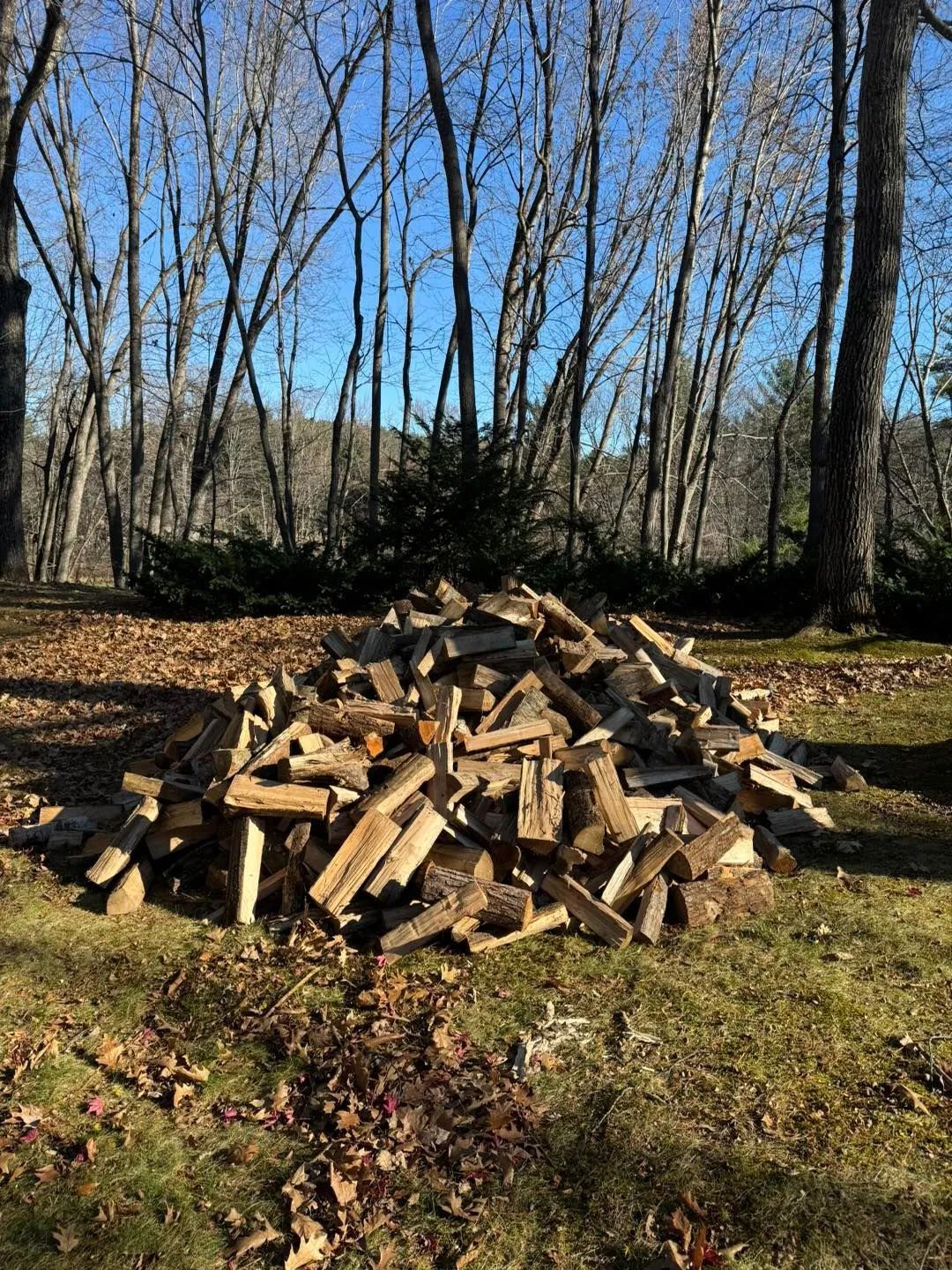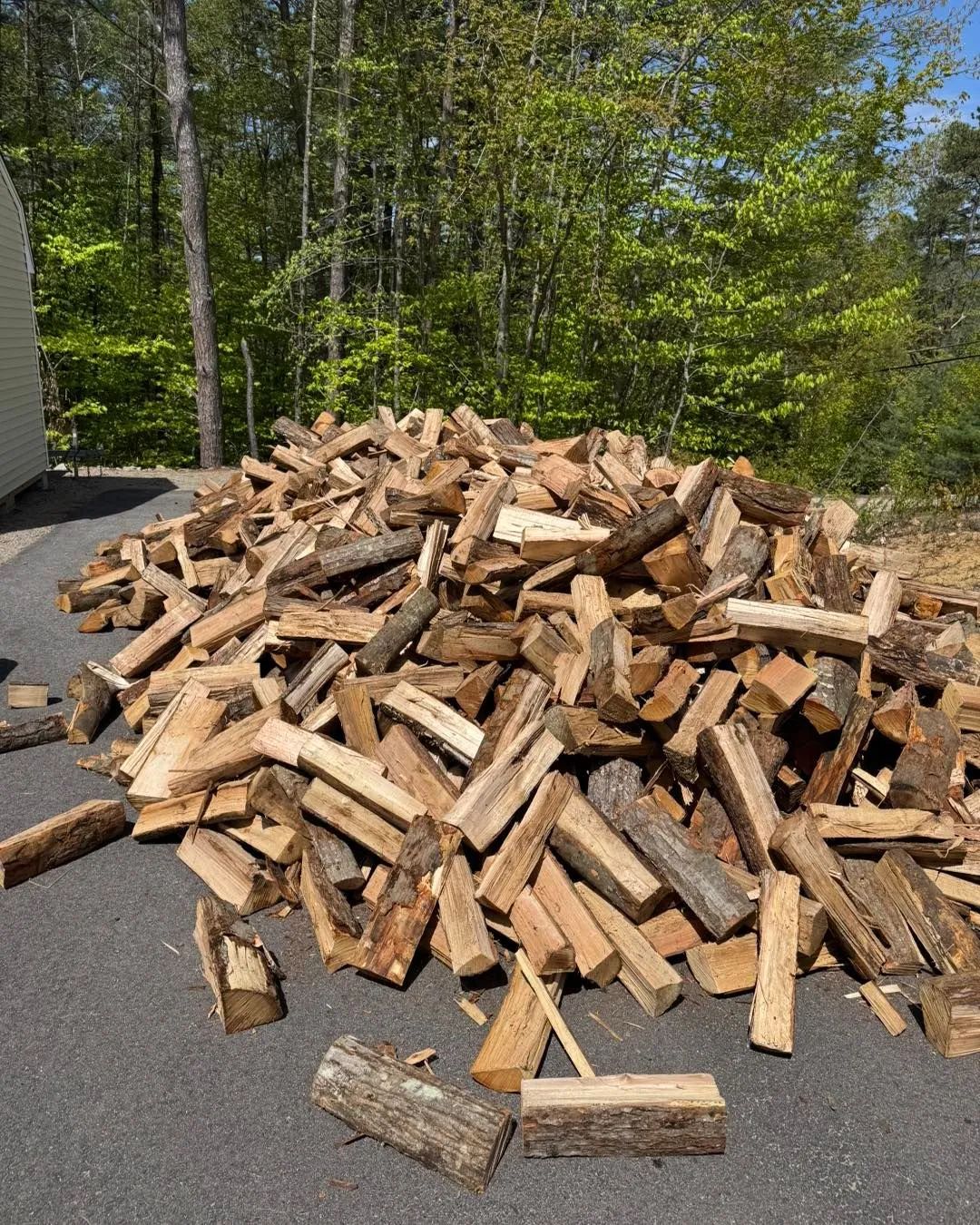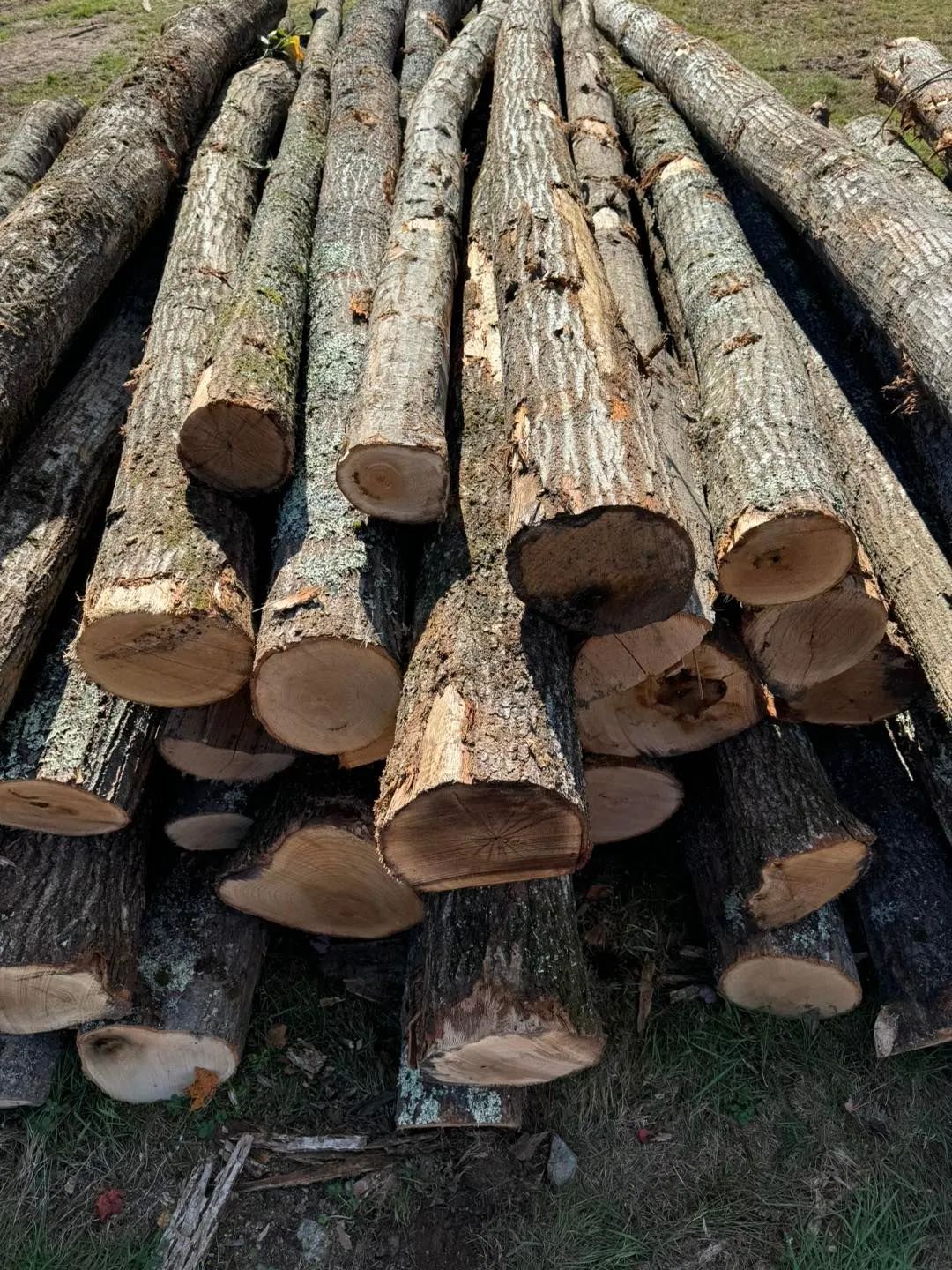

Why Cherry Firewood Is the Best Choice for Indoor Fireplaces?
June 29, 2026
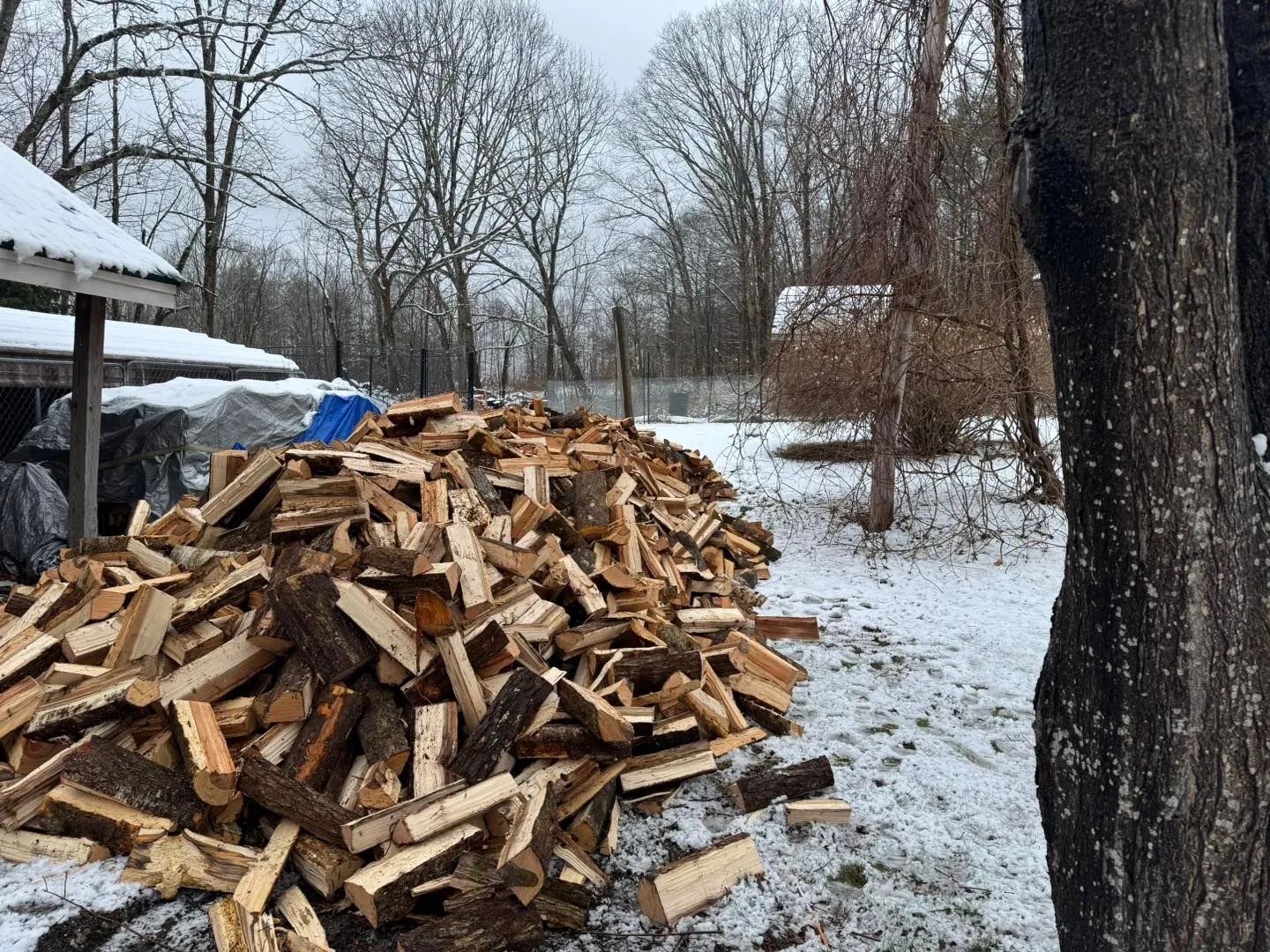
You stacked a fresh cord last fall, the fire is going, and the living room still feels inconsistent, too smoky one hour and barely warm the next. The wood looks fine on the outside, but the burn is telling you something different. If that sounds like your last few winters, the species you are burning matters more than most people realize, and cherry firewood solves most of those problems before they start.
After splitting and delivering firewood across New Hampshire for years, we see the same pattern every season. Homeowners stock up on whatever is cheapest or most available, then spend winter dealing with creosote buildup, uneven heat output, and a fireplace that never quite feels right. Cherry consistently outperforms most available species for indoor use, and the reasons come down to wood density, moisture behavior, and combustion chemistry, not just preference.
What Makes Cherry Firewood Stand Out From Other Hardwoods
Cherry sits in the middle of the hardwood density range, with a BTU output of roughly 20 million BTUs per cord, which puts it below hickory and white oak but well above softer options like pine or poplar. That density matters because it translates directly to burn time and heat consistency. A cherry fire holds steady coals for two to three hours without constant attention, which is exactly what an indoor fireplace needs on a January night in New Hampshire when outdoor temperatures drop into the single digits.
The grain structure of cherry is tight and uniform, which means it splits cleanly and dries predictably. Most cherry reaches a usable moisture content of 20 percent or below within 9 to 12 months of splitting, compared to 18 to 24 months for dense species like hard maple or white oak. That faster seasoning window is a real advantage for homeowners who want reliable indoor performance without waiting two full years.
Low Resin Content
Cherry is not a resinous wood, which is the core reason it burns so cleanly indoors. Resinous species deposit creosote in your flue at a much faster rate. Cherry produces minimal creosote relative to comparable hardwoods, reducing how often your chimney needs professional cleaning and lowering the risk of a flue fire during a long-burning season.
Aromatic Quality
Cherry releases a mild, pleasant smoke that many people describe as slightly sweet. That aroma enhances the indoor experience without being overpowering. Species like hickory and mesquite produce a strong smoke that works well for cooking outdoors but feels heavy inside a living space over several hours.
Coal Production
Cherry produces a consistent coal bed that radiates heat long after the flames die down. Good coal retention is one of the most undervalued qualities in firewood. It means your fireplace continues warming the room even after you stop adding wood, which is a measurable difference during a cold night.
How Cherry Compares to Common Firewood Alternatives
| Firewood Species | BTU per Cord (millions) | Seasoning Time | Creosote Risk | Indoor Aroma |
|---|---|---|---|---|
| Cherry | 20.4 | 9 to 12 months | Low | Mild, pleasant |
| White Oak | 25.7 | 18 to 24 months | Low | Neutral |
| Hard Maple | 24.0 | 18 to 24 months | Low | Neutral |
| Ash | 20.0 | 12 to 18 months | Low | Neutral |
| Birch | 18.9 | 9 to 12 months | Medium | Mild |
| Pine | 14.3 | 6 to 9 months | High | Strong, resinous |
| Poplar | 12.5 | 6 months | Medium | Mild |
Oak and maple are excellent firewood, but they take significantly longer to season properly and offer no aromatic benefit for indoor use. Cherry gives you most of the heat output with a faster turnaround from splitting to burning and a noticeably better experience inside your home.
Properly Seasoning Cherry for Indoor Use in New Hampshire
Green cherry will smoke heavily and burn inefficiently no matter how good the species is in its seasoned state. In New Hampshire, the combination of cold winters and humid summers creates a seasoning window that requires some planning. Split cherry in late winter or early spring, stack it off the ground with good airflow on all sides, and cover the top while leaving the sides open to allow moisture to escape.
New Hampshire's warm July and August months accelerate drying significantly, so cherry split in March will often reach 18 to 20 percent moisture content by October, just in time for heating season. We recommend using a basic moisture meter before you burn. Anything above 25 percent will produce excessive smoke, reduce heat output noticeably, and deposit creosote in your chimney at a faster rate.
TIP: Stack your cherry firewood with the cut ends facing outward toward prevailing wind. Moisture escapes primarily through the end grain, not the bark. This single stacking adjustment can cut weeks off your seasoning time and improve consistency across the entire pile.
WARNING: Never burn cherry or any other species in an indoor fireplace if your chimney has not been inspected in the past 12 months. A flue with damaged liner tiles or heavy creosote deposits from previous seasons poses a genuine fire risk regardless of how clean the wood burns. Have a certified chimney sweep inspect before your first fire each season.
Burning Cherry Effectively in an Indoor Fireplace
Cherry ignites more easily than dense hardwoods, which makes it a good choice for getting a fire established. Starting with a few pieces of cherry alongside a small amount of kindling produces a strong flame quickly without the frustration that comes with trying to light a full load of wet or overly dense wood from the start.
For sustained evening burns, load three to four medium splits of well-seasoned cherry onto a good coal bed. Cherry works at its best when given room to breathe in the firebox. Packing the fireplace too tightly restricts airflow and causes incomplete combustion, which wastes wood and produces more smoke than necessary.
During extended cold spells in Middleton and surrounding towns, many of our customers mix cherry with a denser species like ash or hard maple. Cherry handles the ignition and the pleasant aroma while the denser wood provides longer overnight burn time. That combination gives you the best of both without sacrificing either quality.
New Hampshire Homes Deserve Properly Seasoned Cherry Wood
Cherry firewood earns its reputation through real performance characteristics, not preference alone. The combination of clean combustion, manageable seasoning time, consistent coal production, and pleasant indoor aroma makes it a strong choice for homeowners who rely on their fireplace through a full New Hampshire winter.
In Middleton and surrounding communities in Carroll and Strafford counties, burning quality seasoned hardwood is a practical decision that affects both comfort and chimney health season after season. We are Firewood Supply New Hampshire, and we deliver properly seasoned
cherry firewood to customers across Middleton, New Hampshire. Our wood is split, stacked, and given adequate seasoning time before delivery so your first fire performs the way it should.
Frequently Asked Questions
Is cherry firewood good for indoor fireplaces?
Cherry is one of the better choices for indoor fireplace use. It burns cleanly with low creosote output, produces a mild pleasant aroma, and holds a consistent coal bed that radiates heat after the flames settle. It seasons faster than oak or maple and performs reliably across a full winter heating season in colder climates like New Hampshire.
How long does cherry firewood need to season before burning?
Cherry typically reaches a burnable moisture content of 20 percent or below within 9 to 12 months of splitting under good stacking conditions. In New Hampshire, splitting in late winter and burning the following fall is a reliable timeline. Always confirm with a moisture meter before burning since stacking method and weather exposure affect actual drying time significantly.
Does cherry firewood smell good when burning?
Cherry produces a mild, slightly sweet smoke that most people find pleasant in an indoor setting. The aroma is subtle compared to fruit woods like apple or cherry used in smoking food, but noticeably better than neutral species like ash or maple. It does not produce the heavy, resinous smell associated with pine or other softwoods burned indoors.
How does cherry firewood compare to oak for heat output?
White oak produces more BTUs per cord at roughly 25.7 million compared to cherry at around 20.4 million. Oak burns longer and hotter but requires 18 to 24 months of proper seasoning. Cherry seasons in about half that time and still delivers strong, steady heat suitable for a primary indoor fireplace. For most New Hampshire homeowners, cherry offers the better balance of performance and practical availability.
What is the best way to store cherry firewood in New Hampshire?
Stack cherry off the ground on a rack or pallets to allow airflow underneath. Position the pile in a location that receives afternoon sun and is exposed to prevailing winds from the west or northwest. Cover the top of the pile with a tarp or metal cover while leaving the sides fully open. Avoid stacking directly against the house to reduce moisture retention and minimize pest risk near the foundation.