
How to Choose the Right Firewood for Your Fireplace or Wood Stove
September 30, 2026
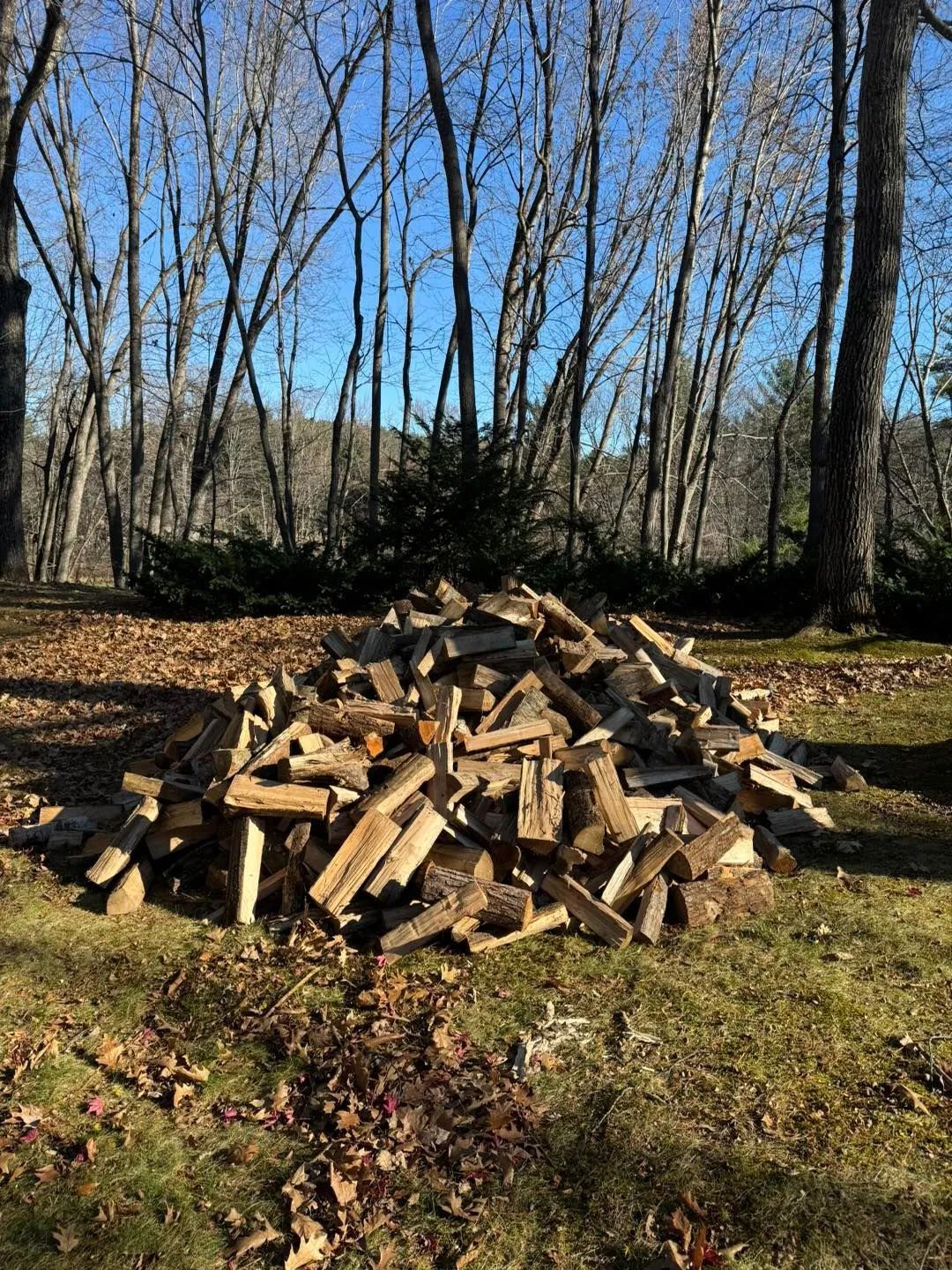
Getting the Most Heat Out of Your Maple
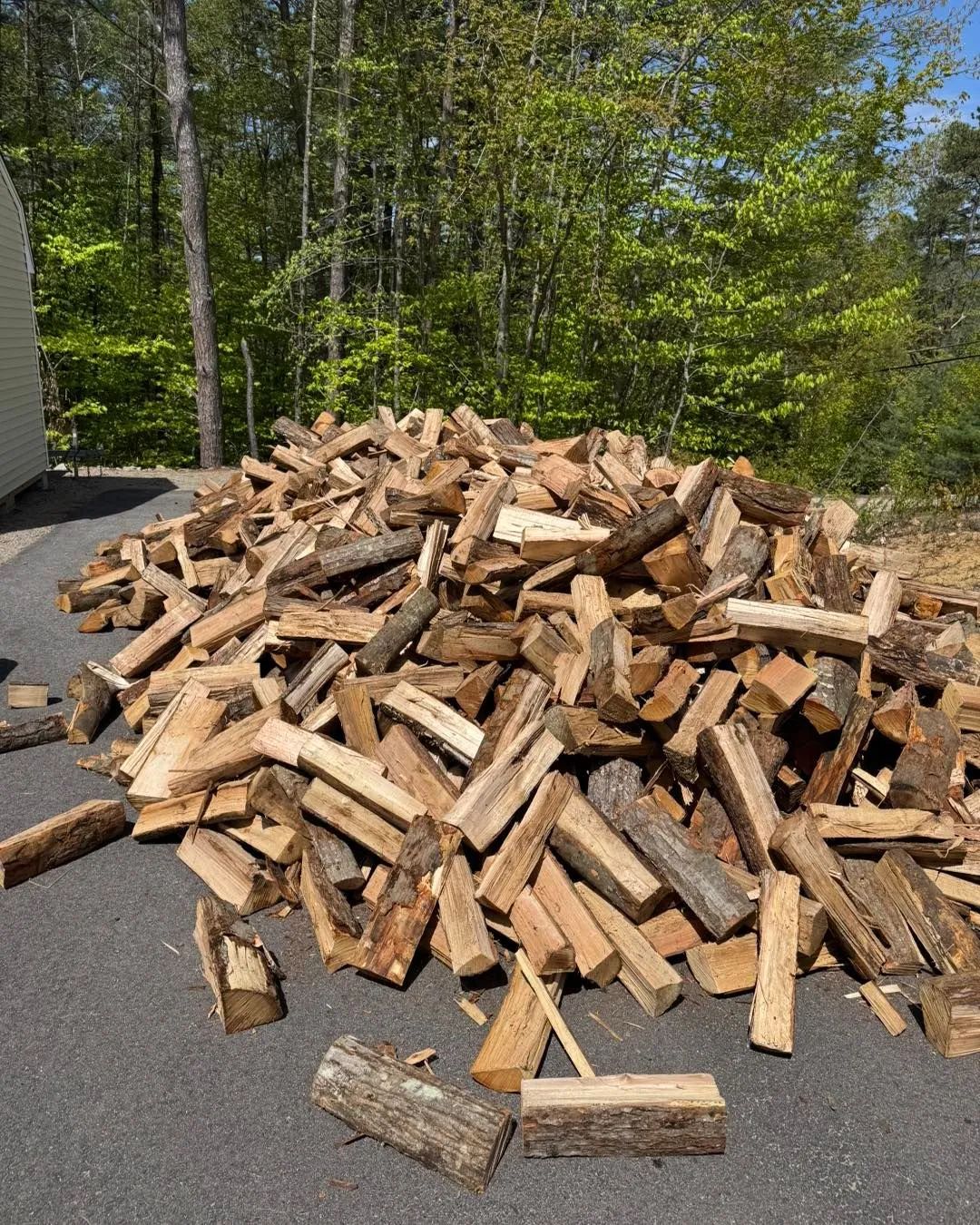
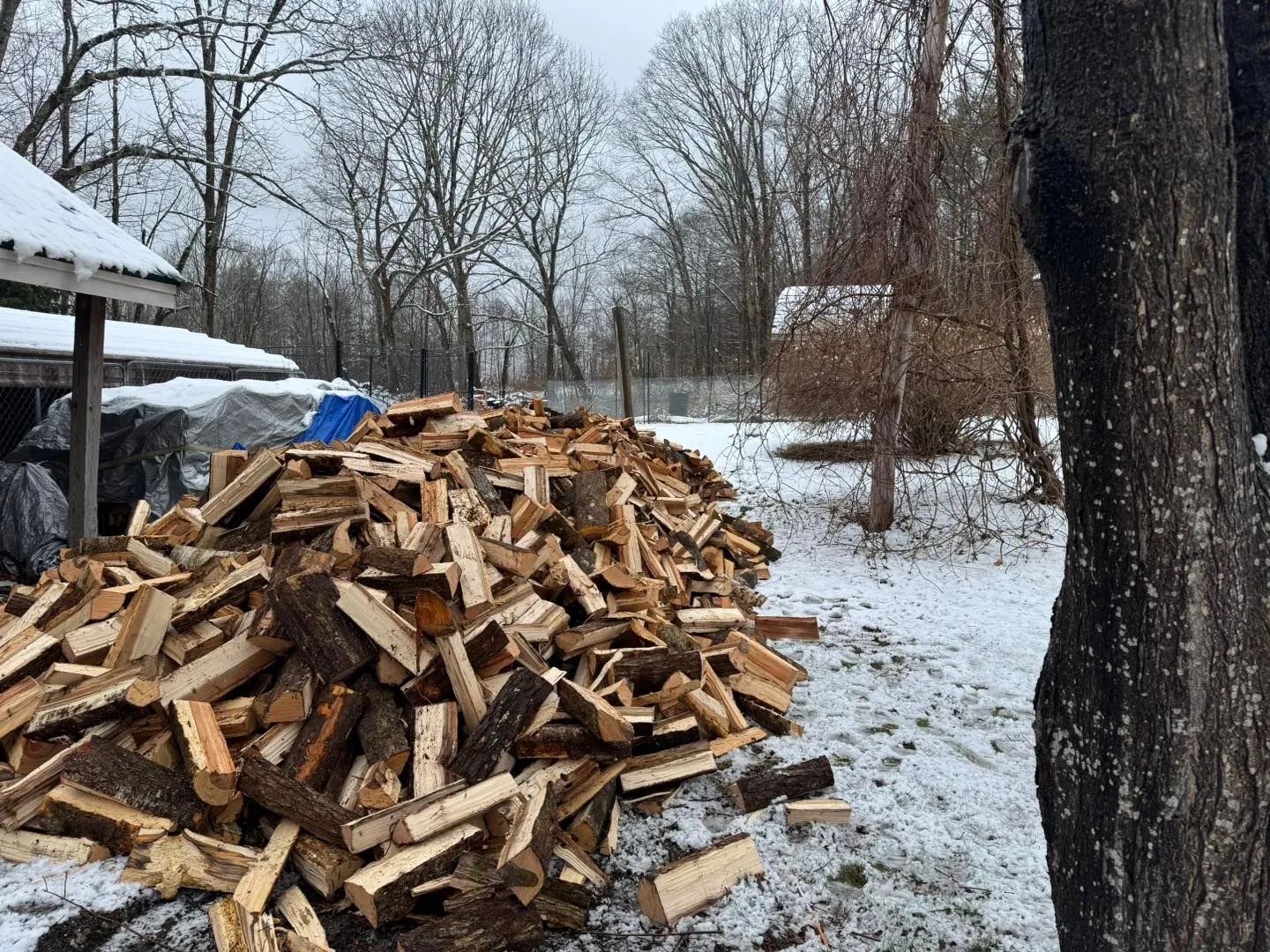
Plan a season ahead and maple rewards you. Get it split by late spring while it's still green and easy, stack it single-row off the ground where sun and wind can reach it, and cover only the top so the sides keep breathing. Come the first cold snap, you'll have wood that lights without a fight, throws steady heat, and holds a fire through the night. Sort the hard from the soft as you stack, save the sugar maple for the deep-freeze nights, and burn the lighter stuff earlier in the season when you don't need the stove roaring.
Firewood Supply New Hampshire, based in Middleton with over 7
years of experience, tests every load of seasoned maple under 20 percent moisture before it leaves the yard. That means no guessing whether a delivery is ready to burn or another season away from it — just dependable, clean-splitting hardwood that lights easily and holds heat through the coldest nights. Deliveries run across the Lakes Region and Seacoast, so the wood shows up seasoned and ready well before winter settles in.
Quick Answer: Choose firewood by matching it to the appliance, not just the species. Every appliance wants dry wood, meaning moisture under about 20 percent by EPA guidance. Beyond that, an open fireplace forgives a mix of quick lighting wood and dense hardwood and looks best with shorter, slightly larger splits. A wood stove or insert rewards dense, evenly split hardwood sized to the firebox, because the stove is built to hold a long, steady burn. Test moisture with a meter, pick species for the job you want the fire to do, and size the splits to the opening you are feeding.
It is a bitter January evening in the Lakes Region, the kind where the thermometer outside the kitchen window has quit pretending to climb. You carry an armload in from the stack, kneel at the hearth, and the fire does one of two things. Either it catches quickly, settles into bright rolling flames, and warms the room for hours, or it hisses, smokes, and sulks while the glass on the stove door turns the color of weak tea. Nothing about your chimney changed between those two evenings. The wood did, and so did how well that wood matched the appliance you were feeding.
We cut, split, and deliver firewood around Middleton and the surrounding towns, and we hear the same question every fall. People ask which wood is best, as if one answer fit every hearth. It does not. A wide open masonry fireplace, a freestanding wood stove, and a fireplace insert all burn wood in different ways, and the best choice for one can be a poor choice for another. This guide walks through how to match the wood to the appliance, so you can stack the right fuel and get the fire you were hoping for.
Start With What Your Appliance Actually Does
Before you think about species, think about how your hearth handles fire. The three common setups in New Hampshire homes behave very differently.
Open Fireplace
An open masonry or prefabricated fireplace is mostly about atmosphere. The fire burns in the open, air rushes in from the room, and a good share of the heat goes straight up the chimney. You get light, crackle, and radiant warmth close to the hearth, but very little whole room heating. Because the fire is visible and the draft is strong, it tolerates a wider range of wood sizes and types.
Wood Stove
A stove is a controlled firebox. Air comes in through a damper or vents that you set, the door stays shut, and the steel or cast iron body radiates heat into the room long after the flames settle. Stoves are designed to burn hot and steady, and they reward wood that feeds that kind of burn: dense, dry, and consistently sized.
Fireplace Insert
An insert is a stove slid into a fireplace opening, usually with a blower and a flue liner. It behaves like a stove, sometimes a very efficient one, and it is picky in the same ways. Many inserts have a small firebox, so split size matters even more than it does in a freestanding unit.
If you are not sure which one you have, look at the manual or the label on the back or side of the unit. Manufacturers often state the maximum log length and the type of fuel they expect. That single line can save you a lot of guessing.
The First Rule for Every Appliance: Dry Wood
Species gets most of the attention, but moisture decides how any wood will behave. A freshly cut log holds a great deal of water, and the fire has to boil that water off before the wood itself can burn well. That wastes heat, slows the fire, and leaves more smoke and residue behind in your flue.
EPA guidance suggests burning wood with moisture content under about 20 percent, and recommends testing it with a moisture meter. University extension guidance for stoves points to a range of roughly 20 to 30 percent for air dried wood, with kiln dried wood sitting below 20 percent. The exact number depends on the wood and the weather it lived through, which is why a meter beats guessing.
You can also read the wood without a meter. Seasoned pieces are usually darker on the ends, lighter in the hand than a green log of the same size, and often show cracks radiating from the center. Knock two splits together. Dry wood gives a sharp, hollow sound, while wet wood gives a dull thud.
Why moisture matters more in a stove. An open fireplace burns hot enough at the front of the fire that slightly damp wood will often still light, even if it smokes. A stove or insert is different. You usually turn the air down to stretch the burn, and with damp wood that low air setting cools the firebox and produces smoke and sticky deposits in the flue. Wet wood and a closed down stove is the pairing most likely to leave a dark glass door and a dirty chimney.
TIP: Split one or two pieces from the middle of your stack and test the freshly exposed face with a moisture meter. The outside of a log dries first, so the inside tells you the truth about the whole piece.
Match the Species to the Job
Once the wood is dry, species is your second lever. We keep this part short here, because it is easy to overthink. Hardwoods such as ash, beech, maple, birch, and cherry are all good burners. They differ mainly in density, which controls how long a load lasts and how it behaves as it burns.
Dense hardwoods like beech and sugar maple pack a lot of energy into each split and burn long. They are the workhorses for a stove, where you want a load that holds coals and keeps the room warm through the night. Ash sits close behind, splits easily, and dries faster than most, which makes it a friendly choice for someone who wants good heat without a lot of fuss.
Lighter hardwoods like birch and cherry catch quickly and burn a bit faster. Birch lights readily and gives cheerful flames, and cherry adds a mild, pleasant aroma. In a stove, they work best mixed in with denser wood, or used to get a fire going on a cold start. In an open fireplace, they are often exactly what you want, since quick flames and pleasant smell are the point of the fire.
Softwoods such as pine, spruce, and fir are a different story. They light easily and burn fast, and many chimney professionals advise using them sparingly because they tend to leave more residue in the flue than dense hardwoods. General guidance puts hardwoods like oak and hickory at roughly 24 million BTU per cord or more, and softwoods like pine and cedar below roughly 17 million. A little softwood kindling to start a fire is fine. A whole winter of it in a stove is hard on the chimney and hard on your patience.
Choosing for an Open Fireplace
For an open fireplace, think about the evening you want. Most people are after a fire that lights easily, looks good, and gives off pleasant warmth and a bit of crackle.
A mix works well. Start with a few splits of birch or well dried softwood kindling to get flames going, then build with ash or maple so the fire settles into a steady, lasting burn. Cherry on top of a fire adds a sweet scent that fills the room.
Go a bit larger on the splits than you would in a stove. Open fires are fed by room air, and medium to large splits, rather than a pile of small sticks, burn calmly and last longer. Keep the logs a few inches shorter than the width of the hearth, so they sit squarely on the grate and do not roll forward.
Because so much heat rises up the flue, an open fireplace is a poor choice for damp wood. It may seem to burn fine, but the smoke and moisture condense in the cool upper chimney and leave deposits behind. Dry wood keeps the flames cleaner and the chimney in better shape.
WARNING: Never burn treated, painted, or glued wood, plywood, or trash in a fireplace or stove. Scrap lumber and construction leftovers can release harmful fumes and damage your appliance, so keep your firewood pile to plain, clean split logs.
Choosing for a Wood Stove or Insert
A stove is where wood choice pays off most. You are heating a room or a whole floor, and you want long, even burns with as few reloads as possible.
Reach for dense hardwood. Beech, sugar maple, and ash are the natural fits. A full load of dense hardwood settles into a bed of glowing coals that keeps throwing heat long after the flames calm down. That is what makes a stove work through a New Hampshire winter night.
Mix in a lighter wood for startup and for mild days. On a cold start, a few splits of birch or well dried kindling bring the firebox up to temperature fast. On shoulder season evenings, when you want some warmth but not a roaring stove, lighter hardwoods like birch and cherry give you a short, pleasant burn without overheating the room.
Size splits to the firebox. Many stoves and inserts have a stated maximum log length, and most burn best when the wood is a little shorter than that, so the load can sit with air space around it. Splits that are too long get jammed against the door or baffle. Splits that are too short stack up loosely and burn fast.
Keep the pieces fairly consistent. A load of pieces in similar sizes burns predictably. A mix of massive rounds and thin sticks burns unevenly, with the small pieces gone quickly and the large ones smoldering. Medium splits, often somewhere in the range of 3 to 6 inches across, are a common sweet spot for many stoves, though your manual should have the last word.
Split Size and Shape Change How Wood Burns
Split size is easy to ignore, but it changes how a fire behaves as much as species does. The same dry log can burn very differently depending on how it is cut.
Smaller splits have more exposed surface compared to their weight. They catch quickly, burn hot, and burn out fast. Larger splits ignite more slowly but burn longer. Good fire building uses both: small splits to establish the fire, and larger pieces to sustain it.
For an open fireplace, a few small splits as a base and medium to large pieces above them give you an easy start and a lasting burn. For a stove, start with small splits until the firebox is hot, then load medium splits for the long burn. Shape matters too. Splits with a flat side sit more stably on the grate or the coal bed, while very round or knotty pieces tend to roll and leave gaps.
If you have your own trees, mobile firewood processing can turn logs into evenly sized splits at your property, ready to stack and season.
What Burn Behavior Tells You About Your Wood
Your fire talks to you. A few signs help you judge whether you chose well.
Hissing, sizzling, or steam at the ends. That is water boiling out of the wood. It means the wood is wetter than it should be, and it needs more time to season.
A fire that struggles to catch or keeps dying. Damp wood is the most common cause, though a closed damper or a cold chimney can play a part. Try a drier batch and open the air control more while the fire is starting.
Dark, sooty glass on a stove door. This often points to wet wood, or to turning the air down too far, too early. Burn hotter for a few minutes after each reload, and check the moisture of your wood.
Steady flames, few sparks, and a bed of glowing coals. This is what you want. It means the wood is dry, the species suits the appliance, and the size is right.
How These Five Hardwoods Stack Up
Heat output gets measured in BTUs per cord, a rough gauge of how much energy a fully seasoned cord of that species releases when it burns. Density drives most of the difference. Denser wood packs more fuel into the same space, which means more heat and longer-lasting coals. But density also means the wood holds more moisture when it's green, so the densest species usually need the most time to season properly.
Splitting ease, smoke output, and how the bark and grain behave when the wood is fresh all matter just as much as raw BTU numbers, especially if you're the one running the maul. A wood that burns hot but fights you every time you split it isn't necessarily the better buy for a homeowner working through a season's supply by hand.
Keep Your Chimney and Flue in Mind
Your choice of firewood affects your chimney, and a dirty flue is a safety concern. Burning wet wood, or burning too cool with the air turned way down, leaves creosote behind, a tarry residue that builds up on flue walls and can ignite. Dry, dense hardwood burned properly leaves less of it, but no firewood makes a chimney maintenance free.
Have a qualified chimney professional inspect and sweep your chimney or stovepipe on a regular schedule, and especially before the first fire of the season. If you notice a change in how your appliance draws, or see heavy deposits on the glass, treat it as a cue to check your wood and your chimney.
Frequently Asked Questions
Can I burn the same wood in my fireplace and my wood stove?
Yes, if it is dry and sized to fit. A fireplace handles a wider mix, including lighter woods, while a stove prefers dense hardwood in consistent splits. Dry ash and maple suit both very well.
What moisture level should my firewood be for a stove?
EPA guidance suggests under about 20 percent, checked with a moisture meter. University extension guidance calls 20 to 30 percent workable for air dried wood, but lower burns cleaner. Test a split face for accuracy.
Is softwood ever a good choice?
Softwood works well as kindling and for a quick start in a cold firebox. As the main fuel, it burns fast and leaves more chimney residue than dense hardwood. Use sparingly and rely on hardwood.
How do I know what size splits my stove or insert wants?
Check the manual for maximum log length and choose wood slightly shorter so air can move around the load. For thickness, medium splits of fairly consistent size burn most predictably. If unsure, test one batch.
Why does my glass keep turning black?
Sooty glass usually means wood that is too wet or a fire running too cool, often from closing the air control too soon. Use much drier wood and burn hotter briefly after every single reload.
Choosing Firewood That Suits Your Hearth Every Winter
The right firewood comes down to matching your appliance, your wood, and the fire you want. Start with dry wood, since moisture shapes every burn more than species does. Choose dense hardwood like beech, maple, and ash for a stove or insert, and lean on birch and cherry for quick, pleasant flames in an open fireplace. Size your splits to the firebox, watch how the fire behaves, and keep the chimney inspected so each fire stays clean and safe.
At Firewood Supply New Hampshire, we have spent over 7
years cutting, splitting, and delivering firewood in Middleton, NH, and the surrounding towns, so we have seen how much the right load changes a winter evening. Pair good wood with a well kept hearth and the cold months become something to enjoy. Stack it dry, feed it thoughtfully, and the crackle, warmth, and steady glow will reward you every time you kneel down and strike the match.