
Seasoned vs Green Firewood: What You Need to Know Before Burning
October 31, 2026
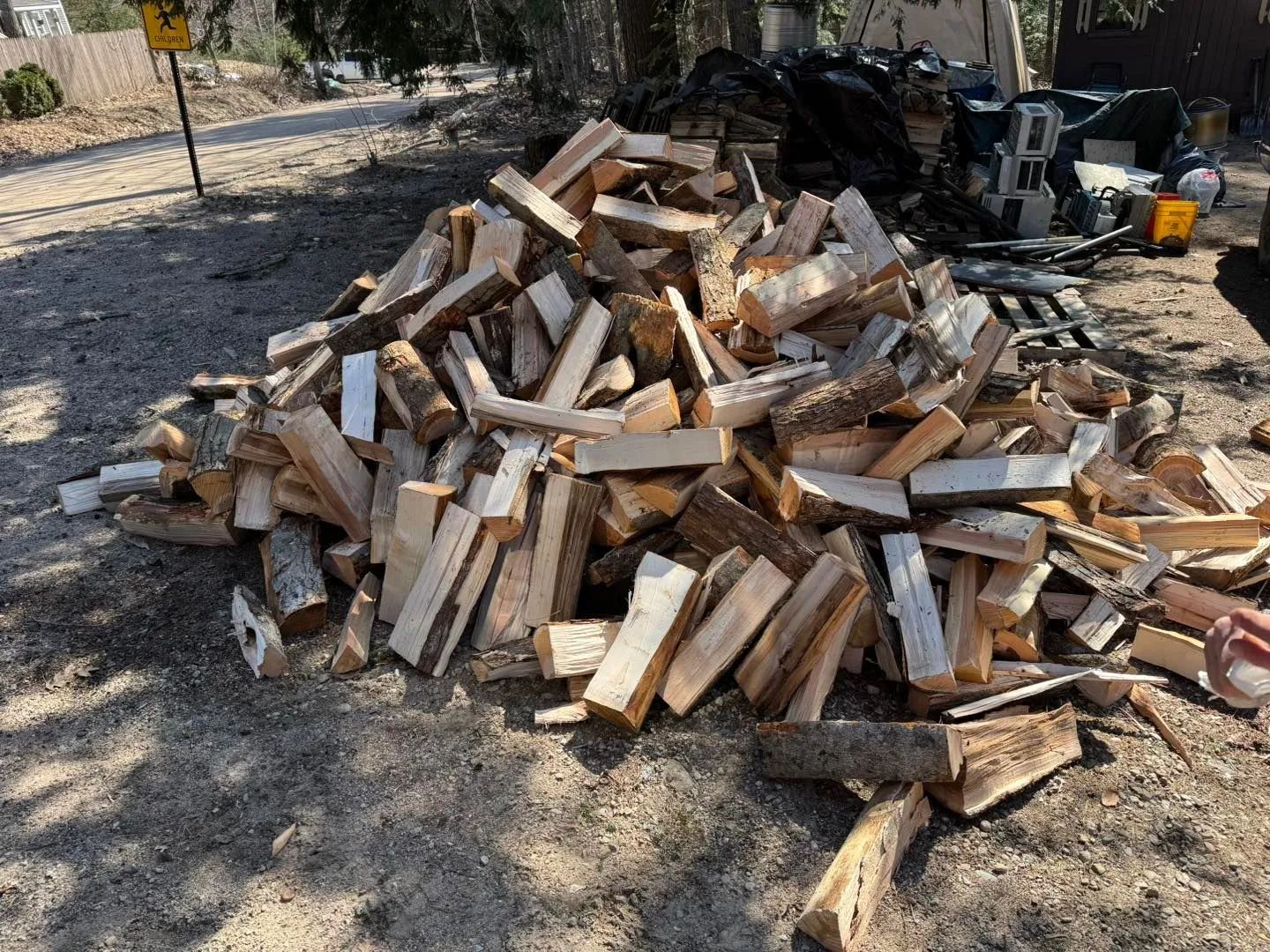
Getting the Most Heat Out of Your Maple
Plan a season ahead and maple rewards you. Get it split by late spring while it's still green and easy, stack it single-row off the ground where sun and wind can reach it, and cover only the top so the sides keep breathing. Come the first cold snap, you'll have wood that lights without a fight, throws steady heat, and holds a fire through the night. Sort the hard from the soft as you stack, save the sugar maple for the deep-freeze nights, and burn the lighter stuff earlier in the season when you don't need the stove roaring.
Firewood Supply New Hampshire, based in Middleton with over 7
years of experience, tests every load of seasoned maple under 20 percent moisture before it leaves the yard. That means no guessing whether a delivery is ready to burn or another season away from it — just dependable, clean-splitting hardwood that lights easily and holds heat through the coldest nights. Deliveries run across the Lakes Region and Seacoast, so the wood shows up seasoned and ready well before winter settles in.
TIP: Split one or two pieces from the middle of your stack and test the freshly exposed face with a moisture meter. The outside of a log dries first, so the inside tells you the truth about the whole piece.
Quick Answer: Seasoned firewood has dried down to roughly 20 percent moisture or less, so it lights easily, burns hot, and leaves a cleaner stove glass and chimney. Green firewood is freshly cut and still full of water, so much of the fire's energy goes into boiling that water off before the wood can give real heat. The result is hissing, smoke, weak warmth, and more residue in the flue. Check any load with a moisture meter on a freshly split face, and plan on about six to twelve months of covered, stacked drying for green hardwood. Green wood is not bad wood. It is simply wood that is not ready yet.
It is the first truly cold night of the season, and you have a stack out back that looks like firewood. The pieces are split, the bark is on, and the pile is neat. You carry in an armload, build the fire the way you always do, and then it starts. The ends of the logs sizzle and bead with moisture. White smoke rolls up the flue. The stove glass clouds over, and the room never quite gets warm. Nothing is wrong with your stove or your technique. The wood simply was not ready.
We cut, split, and deliver hardwood from Middleton and sell both seasoned and green wood to people across the Lakes Region and Seacoast. The most common surprise we hear about is that wood can look perfectly finished and still be wet inside. This guide explains what separates seasoned from green firewood, what each one does in the fire, how to check what you actually have, and how to handle green wood so it ends up burning the way you want.
What Seasoned and Green Firewood Actually Mean
Green firewood is wood that was cut recently and has not had time to dry. A living tree is full of water, and that water stays in the wood after the saw goes through it. Depending on the species and the time of year, a freshly cut log can be close to half water by weight, sometimes more. Green does not describe color or bark. It simply means the moisture is still there.
Seasoned firewood is wood that has been split, stacked, and given enough time to dry until the moisture has dropped to a burnable level. The common benchmark is about 20 percent moisture content or less, which is the number state forestry programs and the EPA point to. At that level the wood lights readily, burns steadily, and puts most of its energy into heat instead of evaporation.
One thing worth knowing is that the labels are relative. A seller who says seasoned and a seller who says dry may mean different things, and the word seasoned in particular is loosely used. How long the wood has been split matters more than how long the tree has been down, and wood stacked in the open for a season is not the same as wood stacked and covered. That is why we always suggest asking how a supplier defines the term and, better still, checking the wood yourself.
What Each Type Does Inside the Fire
The easiest way to understand the difference is to think about what a fire has to do before wood can really burn. A log has to be heated until the water inside turns to steam and leaves. Only then does the wood itself break down and burn. Seasoned wood has very little water to remove, so the fire spends almost all of its effort on producing heat. Green wood has a lot of water to remove, so the fire spends a large share of its effort just drying the log while it burns.
You can see that in practice. Seasoned wood catches quickly, burns with lively yellow flames, and settles into a bed of glowing coals. Green wood is slow to light, tends to smolder, and often needs extra kindling to stay going. You will hear hissing and see liquid or foam at the ends of the splits. The flames are lazy, the smoke is heavier and whiter, and the room warms far less than the size of the fire suggests.
The effect on the stove is just as visible. Green wood burned in a stove with the air turned down is the classic recipe for a dark, sooty glass door. The firebox never reaches a hot, clean burning temperature, so smoke and unburned material leave the fire instead of being consumed. In an open fireplace the same wood can appear to burn adequately, but the smoke is still cooler and wetter than it should be, and it is carrying more residue up the chimney.
Why the Chimney Cares About the Difference
Smoke from wet wood is cooler and carries more moisture and unburned material. As it climbs through the flue, some of it condenses on the cooler upper walls and leaves behind creosote, a tarry or flaky residue that builds in layers. Creosote is flammable, which is why chimney professionals care so much about what goes into the firebox.
Dry, dense hardwood burned with enough air leaves far less of that residue than wet wood burned low and slow. No firewood makes a chimney maintenance free, so a yearly inspection and sweep still makes sense for anyone who burns regularly. Burning seasoned wood simply gives your chimney a much easier life and gives you a cleaner burn and a clearer view of the fire.
WARNING: Heavy creosote buildup is a real fire hazard. If you have been burning wet or green wood, especially in a stove run on low air, have a qualified chimney professional inspect and sweep the flue before you rely on it for the season.
How to Tell What You Actually Have
You do not have to guess. A few simple checks will tell you whether a load is ready, and you can use several of them together.
Use A Moisture Meter
This is the most reliable method, and the meters are inexpensive and easy to find. Split a piece from the middle of the stack so you have a fresh, clean face, then press the meter pins in along the grain. The outside of a log dries first, so a reading on the bark side can look better than the truth. You are looking for a reading of about 20 percent or lower.
Look At The Ends
Seasoned wood usually shows cracks, called checks, that radiate out from the center of the end grain. The ends tend to be gray or darker than the freshly cut face of a new split. Green wood has tight, pale, clean ends with little or no cracking.
Pick It Up
A dry split feels noticeably lighter than a green piece of the same size. If you have handled both, the difference is easy to feel.
Knock Two Pieces Together
Seasoned wood gives a sharp, hollow crack. Green wood gives a dull thud.
Check The Bark
Bark that is loose or peeling is a good sign, though it is not proof by itself, since some species shed bark earlier than others.
When the signals disagree, trust the meter and trust the fresh split face. Wood that looks dry on the outside can still be wet at the core, especially dense species and large rounds that were split late.
How Long Green Wood Takes to Become Seasoned
Time is the part people most often underestimate. For most hardwoods, a general rule is about six to twelve months of drying once the wood is split and stacked well, and some dense species need longer. Ash tends to dry faster than most. Beech and maple usually need more patience, and a full year or more is a safe plan for those if they start out very wet.
Several things control the pace. Splitting speeds drying because it exposes fresh surfaces, and smaller splits dry faster than large ones. Airflow matters a great deal, so a stack that sits off the ground with space around it dries far better than a tight pile against a wall. Sun and wind help. Rain and snow slow things down, so a cover over the top of the stack, with the sides left open, protects the wood without trapping moisture.
In our part of New Hampshire, the drying season is really spring through early fall. Wood stacked in April and left in good airflow has a fair chance of being ready by the time the nights turn cold. Wood stacked in October is not going to catch up before January, no matter how neat the stack is.
TIP: Stack green wood in a single row with the bark side up on the top layer, leave a gap between rows, and cover only the top. Open sides let wind carry moisture away, which is what finishes the job.
What to Do If You Already Have Green Wood
If you have green wood and the season is closing in, you still have options. They just call for some planning.
Split It Small And Early
Split green wood promptly into smaller pieces to speed drying and reduce moisture faster.
Get It Off The Ground And Under A Roof Edge
Stack wood on pallets and cover the top while leaving sides open for airflow.
Burn Your Driest Wood First
Reserve well-dried wood for cold weather and stove startup, saving greener stock for next winter.
Mix, Do Not Rely On It
Mix a few slightly damp pieces with plenty of dry wood, avoiding full loads of green wood.
Test Before You Commit
Check several splits with a moisture meter every few weeks to track drying progress before burning.
If you have trees to deal with on your own property, mobile firewood processing can cut and split them on site so the drying clock starts sooner. Starting a year ahead is the surest way to have good wood without any scramble.
Buying Seasoned Wood Without Surprises
When you order firewood, a few questions will save you trouble. Ask how the supplier defines seasoned and how the wood is checked. Ask whether the wood has been moisture tested before delivery, and what species are in the load. Look at the wood when it arrives. Cracked ends, lighter weight, and a sharp sound when two splits meet are all good signs. Put a meter on a fresh split and see the number for yourself.
We moisture test our firewood before it goes out, and we are glad when customers check it themselves. A good supplier has nothing to hide, and a meter reading removes any doubt. Planning matters as well. Ordering ahead of winter leaves time to season any wood that needs it, and it keeps you from scrambling when the first cold snap arrives.
One more tip on storage. Once you have dry wood, keep it dry. Seasoned wood left uncovered can pick up moisture from rain and snow, so keep the top covered and the sides open, and bring in a few days of wood at a time so it can warm and dry out at room temperature.
How These Five Hardwoods Stack Up
Heat output gets measured in BTUs per cord, a rough gauge of how much energy a fully seasoned cord of that species releases when it burns. Density drives most of the difference. Denser wood packs more fuel into the same space, which means more heat and longer-lasting coals. But density also means the wood holds more moisture when it's green, so the densest species usually need the most time to season properly.
Splitting ease, smoke output, and how the bark and grain behave when the wood is fresh all matter just as much as raw BTU numbers, especially if you're the one running the maul. A wood that burns hot but fights you every time you split it isn't necessarily the better buy for a homeowner working through a season's supply by hand.
Frequently Asked Questions
Can I burn green wood if I mix it with seasoned wood?
A few marginal pieces added to a hot, established fire will usually burn off fine. A mostly green load keeps the fire too cool to dry it, leaving smoke, weak heat, and chimney residue.
How do I know if my firewood is seasoned without a meter?
Look for cracked end grain, gray or darker ends, light weight, and a sharp hollow sound when two pieces knock together. These clues help, but only a meter on a fresh split is certain.
How long does it take green firewood to season?
Most hardwoods need about six to twelve months after splitting and stacking, and denser species can take longer. Small splits, airflow, sun, and a top cover shorten the wait. Stack in spring for winter.
Is seasoned wood the same as kiln dried wood?
No. Seasoned wood is air dried over time, while kiln dried wood is dried with controlled heat. Both can reach burnable moisture levels, but labels guarantee nothing, so test whichever you buy.
Why does my seasoned wood still smoke?
The wood may be drier outside than inside, the stove air may be too low, or the fire may be too cool. Test a fresh split, burn hot after reloading, and keep the chimney clean.
Can seasoned wood get wet again?
Yes. Rain and snow can soak uncovered wood and raise its moisture. Cover the top of the stack, leave the sides open, and store it off the ground to keep it dry.
Wood That Is Ready Burns Best
The gap between seasoned and green firewood comes down to water. Seasoned wood at about 20 percent moisture or less lights quickly, burns hot, and keeps the stove glass and chimney cleaner, while green wood spends its energy boiling off moisture and leaves smoke and residue behind. A meter reading on a fresh split face settles any doubt. Splitting early, stacking with good airflow, and covering only the top give green wood the time it needs.
Firewood Supply New Hampshire
has cut, split, and delivered hardwood from Middleton, NH for over 7
years, and the pattern is easy to see by the end of each season. Owners who plan ahead, test their wood, and store it properly spend their evenings enjoying steady fires instead of fighting damp logs. A stack that was split in spring and left to dry through summer is usually ready when the first cold night arrives, and it shows in how the whole house feels.