
Birch Firewood Guide: Benefits, Burn Time, and Best Uses
May 21, 2026
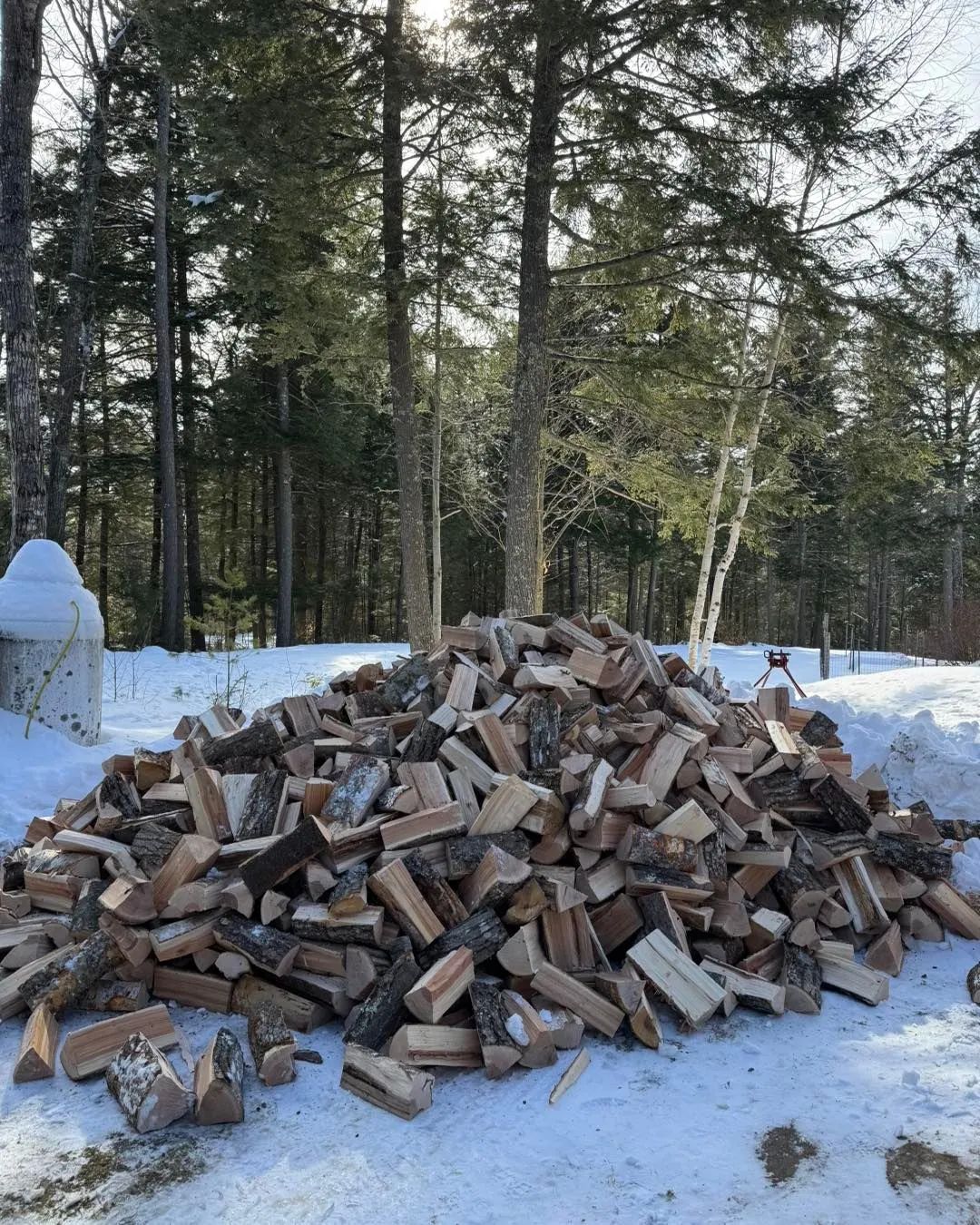
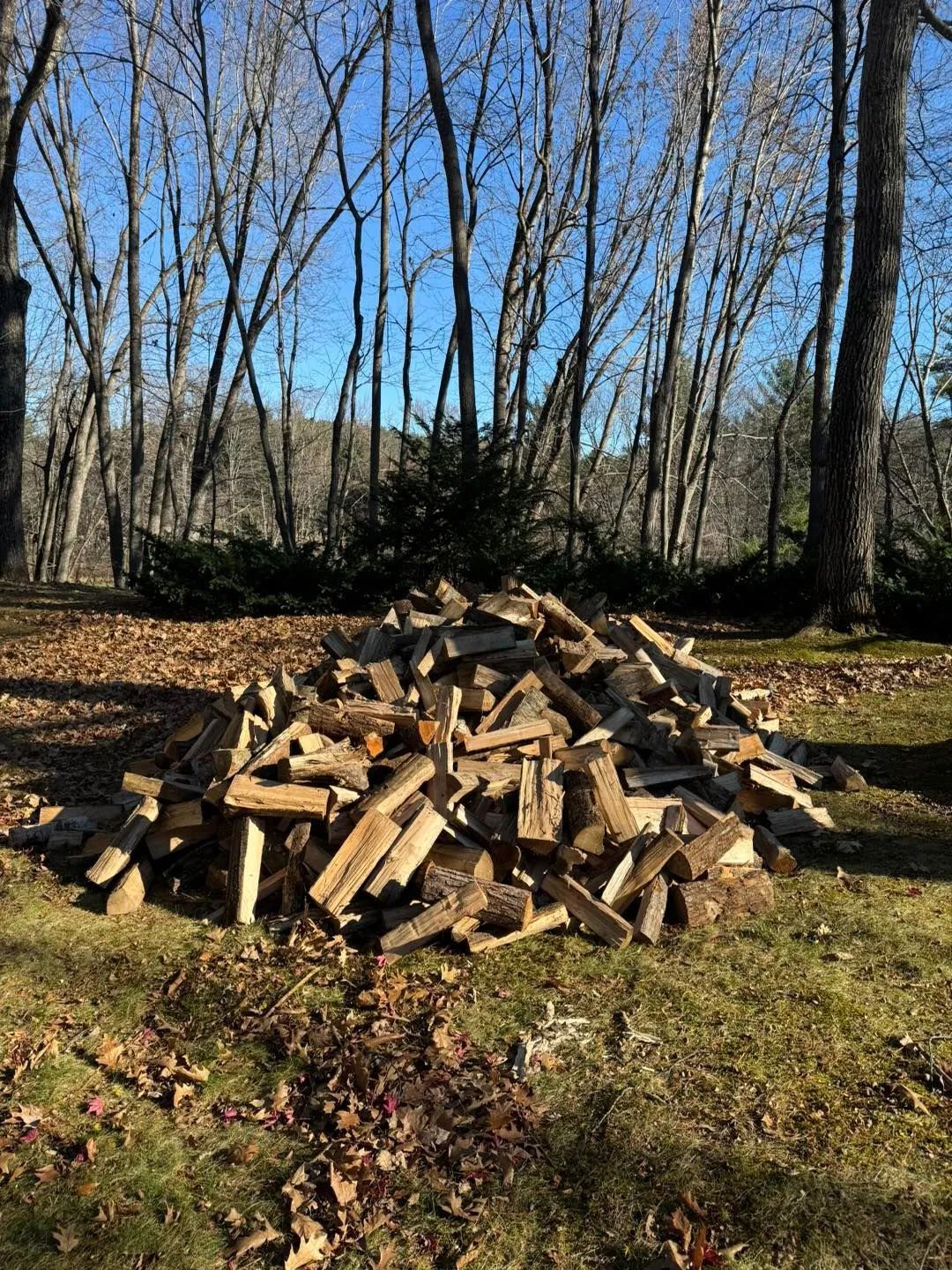
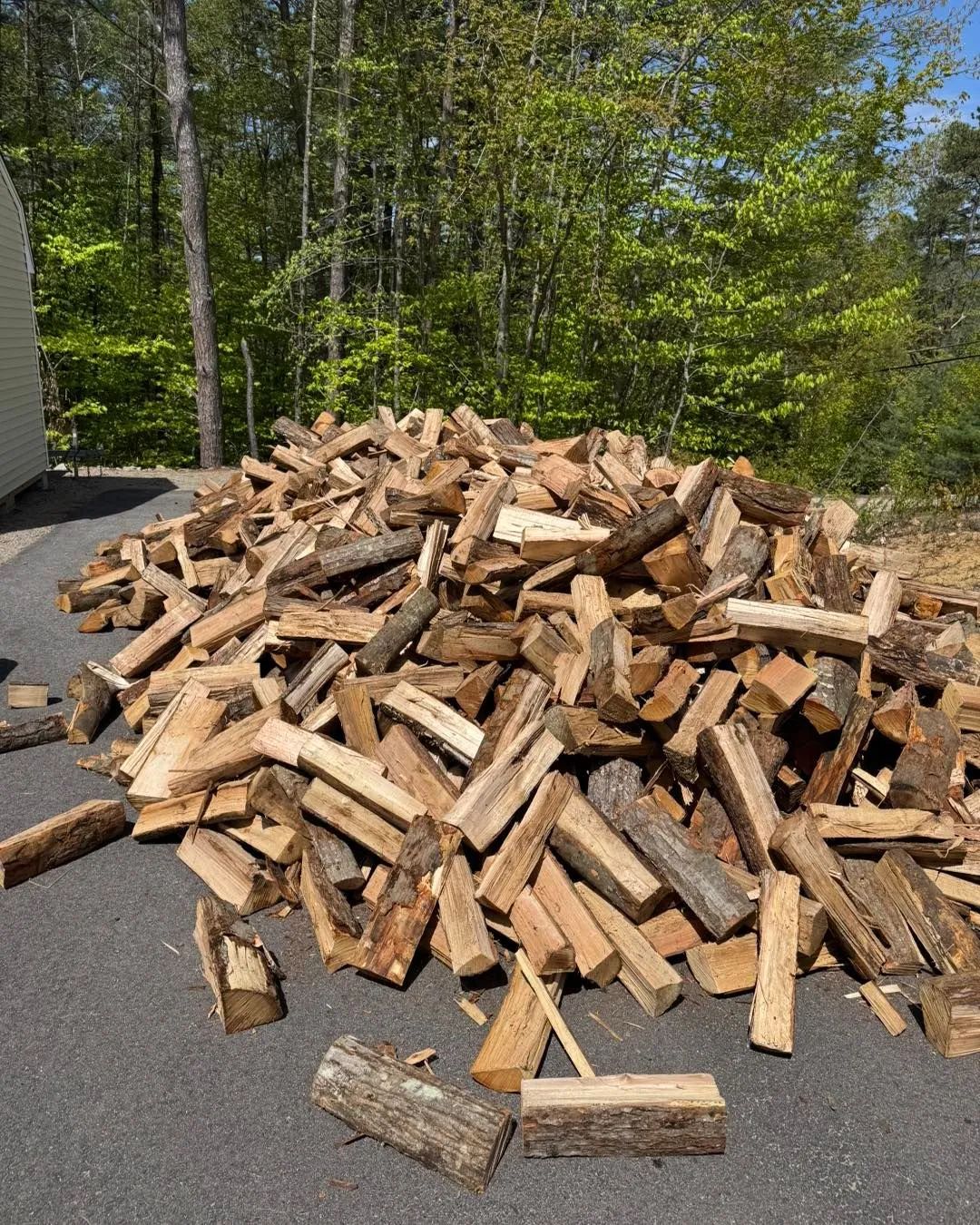
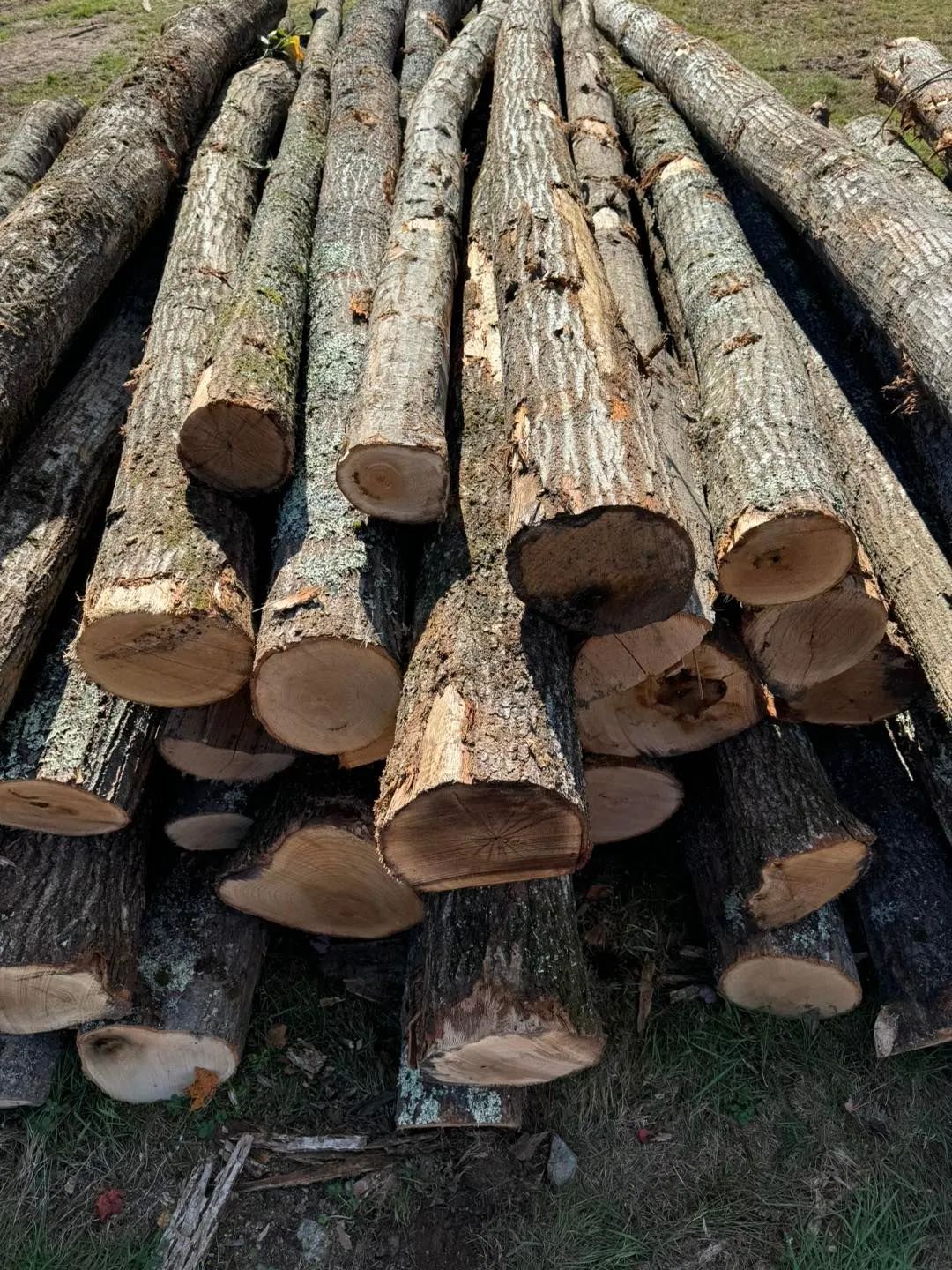
Birch firewood has become a popular choice among homeowners, outdoor enthusiasts, and heating professionals due to its reliable performance and clean-burning characteristics. Known for its attractive bark and steady heat output, birch wood is often selected for both functional heating and aesthetic fires. As demand for efficient and sustainable firewood increases, understanding different wood types becomes essential for making informed decisions that impact cost, energy efficiency, and overall comfort during colder months.
Among hardwood options, birch stands out for its balance between easy ignition and consistent burn quality. It is widely used in fireplaces, wood stoves, outdoor fire pits, and even cooking applications. However, not all birch firewood is the same, and factors such as moisture content, seasoning time, and storage conditions significantly influence its performance. This guide explores the essential characteristics of birch firewood, including its benefits, burn time, and best practical uses.
By understanding how birch behaves compared to other hardwoods, users can optimize heating efficiency and reduce waste. Whether used for residential heating or recreational fires, birch continues to be a dependable fuel source valued for its versatility and clean-burning nature.
Understanding Birch Firewood Characteristics
Hardwood Structure and Density
Birch is a medium-density hardwood positioned between softwoods and dense hardwoods like oak. This structure allows it to ignite quickly while still producing steady heat output for residential and outdoor use. The balanced composition makes it suitable for situations requiring fast ignition and reliable burn time, offering practical performance for fireplaces, stoves, and fire pits during seasonal heating needs.
Moisture Content and Seasoning Importance
Properly seasoned birch performs far better than freshly cut wood due to significantly lower moisture content. Freshly harvested logs contain water that reduces heat output and increases smoke during burning. A seasoning period of six to twelve months improves combustion quality, resulting in cleaner flames, higher efficiency, and reduced buildup inside chimneys, making heating systems safer and more reliable for regular use here.
Types of Birch Wood
Common birch varieties include white birch, yellow birch, and paper birch, each offering slightly different density and bark characteristics. Despite minor variations, all types share similar burning behavior with steady heat output. Paper birch is especially valued for its high ignition capability due to oily bark, making it widely used as natural kindling in both indoor fireplaces and outdoor fire setup applications.
Benefits of Birch Firewood
Easy Ignition and Fast Heat Output
Birch firewood ignites quickly due to natural oils present in its bark, allowing fires to start with minimal effort. This makes it ideal for users who need fast heat without relying heavily on additional kindling. Its quick ignition property supports efficient fire building in fireplaces, wood stoves, and outdoor pits, reducing preparation time while maintaining reliable early-stage flame development during cold conditions.
Clean Burning with Reduced Smoke
When properly seasoned, birch firewood produces relatively low smoke compared to many other hardwoods and softwoods. This cleaner combustion helps improve air quality around fireplaces and reduces creosote buildup inside chimneys. Lower residue formation also supports safer long-term use of heating systems, decreasing maintenance frequency and improving overall indoor comfort during regular seasonal burning periods in residential environments with steady performance today.
Pleasant Aroma and Aesthetic Appeal
Birch firewood creates a mild and pleasant aroma when burned, enhancing the atmosphere of indoor and outdoor fire settings. Its visually appealing flame and distinctive bark make it a popular choice for decorative fireplaces and social gatherings. The combination of scent and appearance contributes to a warm environment, improving overall experience during recreational or residential fire use in colder seasons natural finishing touch.
Availability and Cost Efficiency
Birch firewood is widely available in many regions, making it a practical and cost-efficient heating option for seasonal use. Its accessibility helps maintain stable pricing compared to less common hardwoods, allowing users to plan heating budgets more effectively. Consistent supply also ensures reliability during peak winter demand, supporting households that depend on steady and affordable firewood throughout colder months annually.
Burn Time and Heat Efficiency
Moderate Burn Duration
Birch firewood provides a moderate burn duration compared to dense hardwoods such as oak or hickory. It ignites faster but does not burn as long, making it suitable for short to medium heating needs. This balance allows users to enjoy quick warmth without waiting long for ignition, while still receiving steady heat output during active burning phases in fireplaces or stoves overall performance.
Heat Output Performance
Birch firewood delivers reliable heat output suitable for residential heating applications. While it is not the highest energy-producing hardwood, it generates enough consistent warmth to maintain comfortable indoor temperatures when properly managed. Its steady performance during burning makes it a dependable option for everyday use, especially when combined with denser hardwoods for longer heating cycles and improved efficiency in daily use.
Comparison with Other Firewoods
Compared to softwoods, birch burns longer, produces more heat, and offers better overall efficiency for heating purposes. Against dense hardwoods, it ignites faster but has a shorter burn time. This middle ground performance makes birch a flexible choice for varying heating needs, allowing users to balance convenience and energy output depending on seasonal requirements and fire management preferences in real situations, a practical choice.
Factors Affecting Burn Time
Several factors influence how long birch firewood burns, including log size, moisture content, seasoning quality, and airflow within the burning appliance. Smaller pieces tend to burn faster, while larger logs extend burn duration. Proper stacking and ventilation also play important roles in controlling burn rate, ensuring more efficient heat release and stable performance during regular heating sessions firewood management process.
Best Uses of Birch Firewood
Residential Heating Applications
Birch firewood is commonly used in residential heating systems such as wood-burning stoves and traditional fireplaces. Its quick ignition makes it ideal for evening fires or supplemental heating during cold weather. When mixed with denser hardwoods, it helps maintain steady heat while providing easy fire starting, making it a practical option for households seeking balanced heating performance throughout winter seasons.
Outdoor Fire Pits and Recreational Use
For outdoor fire pits and recreational gatherings, birch firewood provides an excellent balance of quick lighting and attractive flame appearance. It creates a warm and inviting atmosphere for camping trips, backyard events, and social gatherings. Its steady flame and pleasant aroma enhance outdoor experiences, making it a preferred choice for situations where both functionality and ambiance are equally important for users' overall experience.
Cooking and Smoking Applications
Birch firewood can be used for light cooking and smoking applications, although it is not as commonly preferred as fruitwoods or hickory. It produces a mild smoke flavor suitable for certain meats, vegetables, and outdoor cooking setups. Controlled burning is important to avoid overpowering food flavors, making it best suited for users seeking subtle smoke influence in culinary preparations.
Kindling and Fire Starting
Birch firewood, especially its bark, is widely used as natural kindling due to its high flammability and quick ignition properties. It helps establish strong initial flames that support larger hardwood logs during fire building. This makes it highly useful for starting fires in fireplaces, stoves, and outdoor setups where fast ignition and reliable flame development are essential for an efficient heating fire-starting process.
Storage, Seasoning, and Maintenance Tips
Proper Stacking Techniques
Proper stacking of birch firewood is essential for maintaining quality and preventing moisture buildup. Wood should be elevated off the ground and arranged loosely to allow air circulation between logs. Good airflow reduces the risk of mold and decay while supporting natural drying. This method helps preserve combustion efficiency and ensures firewood remains usable throughout the entire heating season.
Seasoning Duration and Conditions
Seasoning birch firewood requires adequate time and proper environmental conditions to reduce moisture content effectively. A drying period of six to twelve months is generally recommended, depending on climate and storage setup. Dry, ventilated spaces help improve airflow and speed up moisture loss, resulting in better combustion performance, cleaner burning, and improved heat efficiency when used in heating applications proper drying requirements guide.
Protecting Against Moisture
Protecting birch firewood from moisture exposure is critical for maintaining its burning efficiency. Covering the top of stacked wood helps prevent rain damage, while keeping the sides open ensures airflow is not restricted. Excess moisture can significantly reduce heat output and increase smoke production. Proper covering techniques help preserve wood quality and ensure consistent performance during seasonal heating periods.
Trusted Firewood Specialists Ensuring Dependable Heat Supply
Birch firewood offers a balanced combination of fast ignition, moderate burn time, and clean combustion, making it a dependable choice for a wide range of heating and recreational uses. Its versatility allows it to perform well in fireplaces, stoves, and outdoor fire setups, while proper seasoning enhances efficiency and reduces maintenance concerns. Understanding its characteristics helps in selecting the right firewood strategy for both comfort and energy management.
Choosing the right wood type directly influences heating performance and long-term cost efficiency. Birch stands out for situations where quick heat and ease of use are priorities without sacrificing quality burn output.
Firewood Supply New Hampshire
serves Middleton, New Hampshire, with over 7
years of experience in providing dependable firewood solutions tailored to seasonal and residential needs. Our focus remains on delivering properly seasoned wood that supports efficient heating and clean burning results. Every supply is selected with attention to moisture control, wood quality, and customer heating requirements, ensuring consistent performance throughout colder months.