
Firewood Delivery FAQ: What to Expect When We Drop Off Your Load
December 26, 2025

When it comes to keeping your home warm during the colder months, having a reliable source of firewood is essential. For many homeowners, the convenience of firewood delivery offers a practical solution, eliminating the need to spend hours sourcing, splitting, and transporting wood. Yet, despite its popularity, many people are unsure what to expect when scheduling a delivery. Understanding the process, preparation requirements, and potential challenges can make the experience seamless and stress-free.
Firewood delivery isn’t just about receiving a stack of logs; it involves careful planning, safe handling, and knowledge of proper storage techniques to ensure your wood remains dry and ready to burn. From selecting the right type of wood to anticipating how it will be dropped off, there are important considerations that every homeowner should be aware of. In this guide, we address the most common questions related to firewood delivery, providing practical advice and expert insight to help you make informed decisions. Whether you are a first-time buyer or a seasoned user, this FAQ-style breakdown will give you the clarity and confidence needed to manage your firewood effectively and enjoy a warm, worry-free season.
1. Understanding the Firewood Delivery Process
How Firewood Delivery Works
Firewood delivery begins with your order. Most suppliers offer a selection of wood types, such as hardwoods like oak and maple or softer woods like pine. Once you choose your preferred type and quantity, the delivery team schedules a date and time based on availability and logistics. On the scheduled day, the firewood is typically transported in a truck or trailer equipped to handle large loads safely. Professional delivery services use equipment to minimize damage to your property and ensure the wood is neatly stacked or dropped where requested.
Key Steps Before Delivery
Preparation is crucial. Ensure your driveway or access path is clear and accessible for delivery vehicles. Inform the supplier of any obstacles, such as low-hanging branches or tight corners, that could hinder the drop-off. Knowing exactly where you want the wood placed—near the house, on a patio, or in a dedicated woodpile area—helps streamline the process and ensures you receive the delivery efficiently. Providing accurate directions also prevents delays and ensures safety for both the delivery team and your property.
2. Preparing Your Home for Firewood Delivery
Site Selection and Accessibility
Choosing the right location for your firewood stack is more than a matter of convenience. Ideally, the site should be dry, well-drained, and protected from direct exposure to rain and snow. Avoid areas prone to flooding or heavy mud, as wet conditions can cause wood to rot. Accessibility is also a key factor. Delivery trucks need sufficient clearance and turning space, especially if a large load is being dropped off. For homes with long driveways or narrow entryways, communicate these limitations to the supplier ahead of time.
Safety Considerations
Firewood is heavy, and improper handling can cause injury or damage to your property. Keep pets and children away from the delivery area during drop-off. If you have obstacles like garden structures or fencing, ensure the delivery team is aware of these. Using protective mats or temporary barriers can help prevent scratches or damage to sensitive surfaces like decks, patios, or gravel paths.
Preparing Storage Solutions
Having a prepared storage solution not only simplifies delivery but also preserves the quality of your wood. Raised wood racks, pallets, or covered shelters prevent moisture from seeping into the logs. Proper spacing between logs allows airflow, reducing the risk of mold or insect infestation. By taking the time to prepare an ideal storage area, you extend the usability of your firewood and ensure it is ready to burn when needed.
3. What to Expect During Delivery
The Drop-Off Process
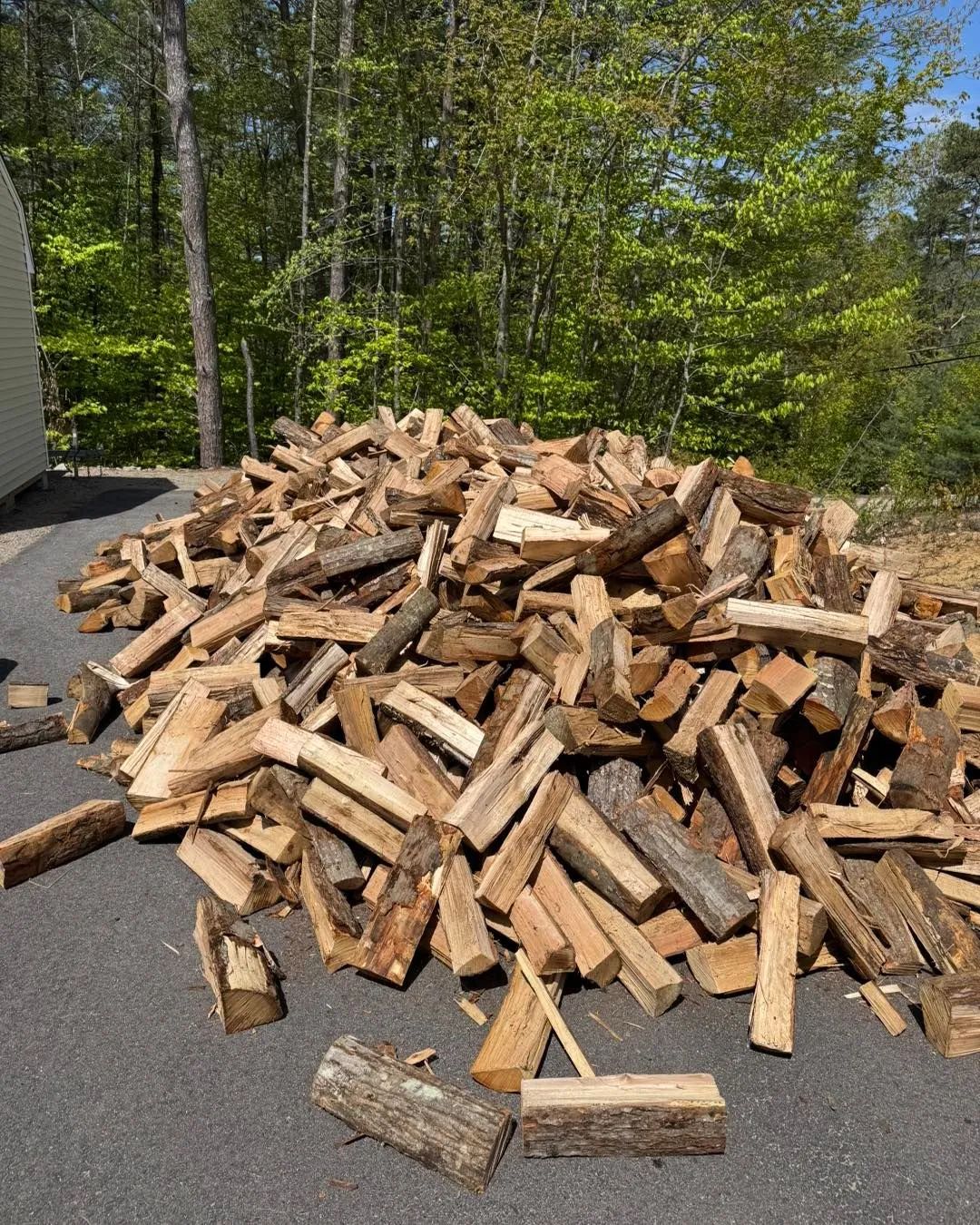
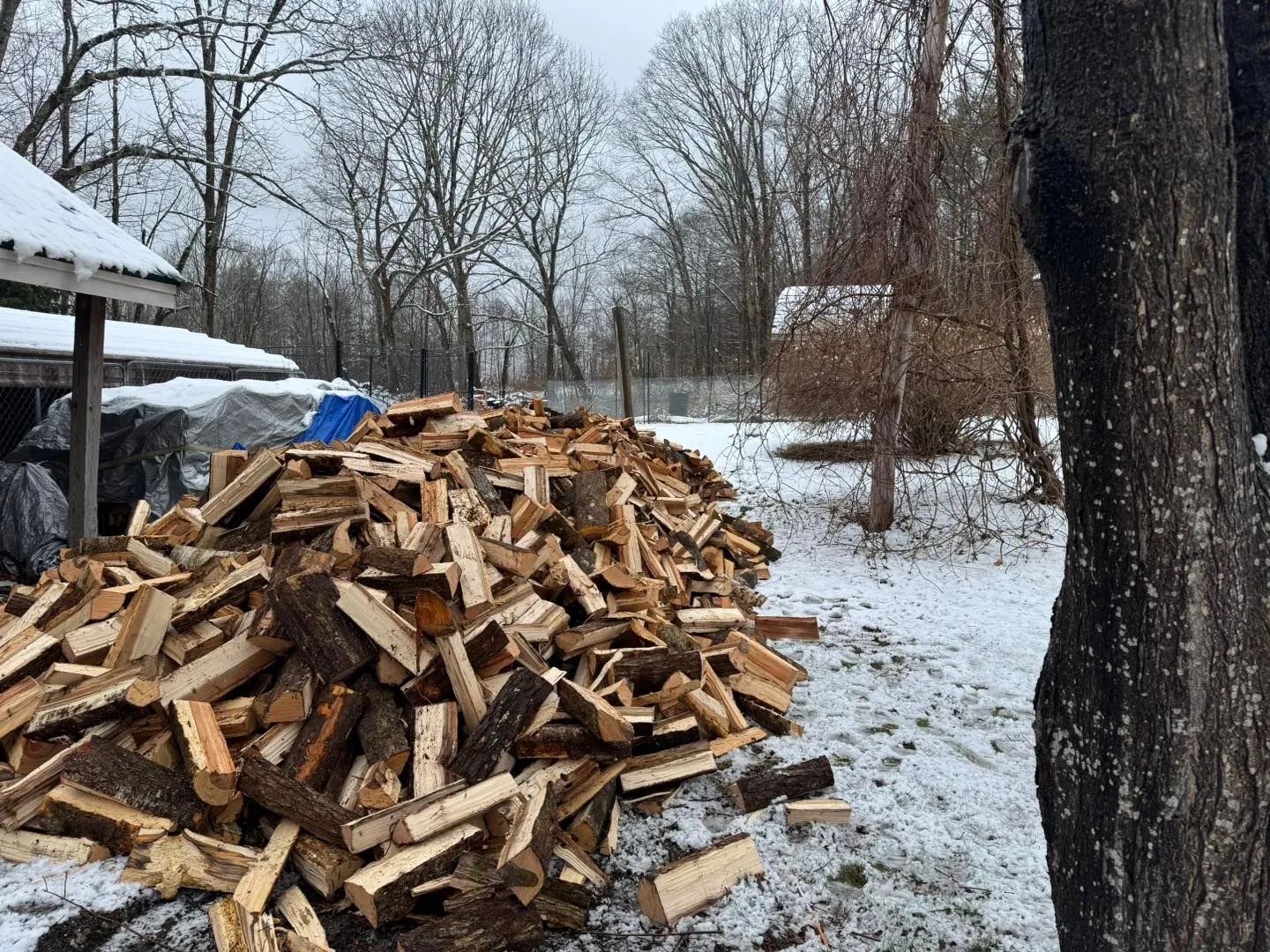
Delivery teams aim to place wood quickly and safely. Depending on your request, the wood may be stacked neatly in a pile or dumped in a designated area for you to arrange later. Many suppliers use forklifts or hydraulic lifts for larger loads, reducing manual labor and expediting the process. For smaller loads, the team may hand-stack the wood carefully to avoid injuries and maintain stability.
Common Challenges During Delivery
Even with professional services, challenges can arise. Uneven terrain, soft ground, or unexpected obstacles can complicate the delivery. Weather conditions like rain, snow, or ice may also affect the drop-off process, potentially causing delays. Being proactive by communicating these challenges to your supplier can minimize complications and help ensure a smooth delivery.
Tips for a Smooth Delivery
To make the process seamless, provide clear instructions on where and how you want the wood placed. Ensure access paths are cleared, and designate a stacking area if the delivery team cannot stack the logs themselves. If you are unavailable during delivery, consider having a trusted neighbor or family member supervise to ensure the wood is placed as requested. Being organized and communicative helps both you and the delivery team complete the task efficiently.
4. Firewood Types and Their Impacts
Choosing the Right Wood
Different types of firewood have varying burning qualities. Hardwoods like oak, hickory, and maple burn longer and provide more heat, making them ideal for sustained fires. Softwoods such as pine and fir ignite quickly and are suitable for kindling or short-term use. Your choice of wood affects not only the efficiency of your fire but also the stacking, storage, and delivery process. Some woods are heavier, requiring more careful handling during delivery, while others may be prone to splitting or breaking if dropped improperly.
Understanding Seasoned vs. Green Wood
Seasoned wood has been dried for at least six months, reducing moisture content and improving burn efficiency. Green wood, which is freshly cut, contains higher moisture and may produce excessive smoke or creosote buildup in your chimney. Reputable suppliers typically provide seasoned wood for better performance. When ordering, verify whether your firewood is seasoned or green, as this impacts not only burning quality but also how it should be handled and stored after delivery.
Storage Considerations by Wood Type
Certain woods are more susceptible to pests or decay. Hardwoods generally resist rot better than softwoods, but all wood benefits from being stacked off the ground and covered. If you receive mixed wood types, consider separating them to maintain optimal drying conditions. Proper storage protects your investment and ensures that each log is ready to burn when needed, minimizing waste and maximizing heat output.
5. Delivery Frequency and Quantity Considerations
How Much Firewood to Order
Determining the right quantity depends on your heating needs and the size of your wood-burning appliances. Firewood is typically sold by cords, with one full cord measuring approximately 128 cubic feet. Smaller loads may be sold as half-cords or face cords, which vary by region. When ordering, consider your household size, fireplace or stove efficiency, and anticipated frequency of use. Estimating your needs accurately reduces the risk of running out of wood mid-season or over-purchasing.
Scheduling Deliveries
Many homeowners opt for staggered deliveries to maintain a steady supply without overwhelming storage areas. For example, scheduling a delivery every few weeks or months ensures wood remains fresh, dry, and ready to burn. If you have limited storage space, smaller, more frequent deliveries can be more practical than a single large order. Clear communication with your supplier regarding scheduling preferences helps manage expectations and ensures your home remains comfortably heated throughout the season.
Seasonal Considerations
Demand for firewood often peaks in late fall and winter, which may affect availability and delivery timing. Ordering early in the season ensures you receive your preferred wood type and avoids potential delays. Additionally, some suppliers may offer off-season discounts or pre-season reservations, which can save money and guarantee supply. Planning ahead is essential for both convenience and efficiency when managing your firewood needs.
6. Additional Tips for Maximizing Your Firewood Experience
Inspecting Your Delivery
Upon arrival, inspect the wood for quality, proper seasoning, and correct quantity. Any issues should be reported immediately to the supplier. Professional companies maintain high standards and will resolve discrepancies quickly. Checking the wood promptly helps prevent disputes and ensures you receive the service you expect.
Handling and Safety Tips
When moving or stacking firewood, use gloves and proper lifting techniques to avoid injury. Avoid stacking wood too high, as unstable piles can collapse. Leave sufficient space for airflow to reduce moisture accumulation. Using tools like wheelbarrows or hand trucks can make moving logs easier and safer, especially for larger loads.
Long-Term Firewood Maintenance
Rotate your woodpile regularly, using older logs first to ensure nothing goes to waste. Keep the stack covered but ventilated, and periodically check for signs of mold or pests. By following best practices for maintenance, you ensure a reliable and safe source of firewood season after season. These small steps prolong the lifespan of your wood and improve your overall heating efficiency.
Trusted Specialists For Safe, Efficient Firewood Delivery
Firewood delivery is a convenient, efficient, and practical way to ensure your home stays warm during the colder months. By understanding the delivery process, preparing an accessible and safe drop-off site, and choosing the right type of wood, homeowners can simplify their heating experience while maximizing the lifespan and efficiency of their firewood. Planning for seasonal demand, scheduling deliveries strategically, and following proper stacking and storage techniques all contribute to a seamless, hassle-free experience.
For those seeking a trusted firewood provider, Firewood Supply New Hampshire in Middleton, New Hampshire, offers seven years of experience in delivering high-quality firewood with professionalism and reliability. Their knowledgeable team ensures every delivery meets safety standards and customer expectations, from precise drop-off locations to handling specialized wood types. Committed to customer satisfaction, they provide expert guidance, consistent communication, and dependable service, making them a preferred choice for homeowners who value quality, efficiency, and peace of mind. Trust Firewood Supply New Hampshire to keep your home warm and your experience stress-free.