
Outdoor Fire Pit vs Indoor Fireplace: What Firewood Should You Use?
February 28, 2026
Choosing the right firewood is more than a matter of preference—it directly affects heat output, safety, air quality, and overall performance. Whether you’re gathering around an outdoor fire pit on a cool evening or enjoying the controlled warmth of an indoor fireplace, the type of firewood you use plays a critical role. Different environments demand different wood characteristics, including burn temperature, smoke production, moisture content, and spark behavior. Understanding these differences ensures efficiency, compliance with safety standards, and a better overall experience.
In today’s heating and outdoor living industry, consumers are increasingly focused on sustainability, clean burning, and cost-effectiveness. As more homeowners invest in backyard fire features and upgrade indoor hearth systems, selecting the appropriate firewood has become an essential part of responsible ownership. Using the wrong type of wood can lead to excessive smoke, creosote buildup, poor heat output, or even fire hazards. This guide breaks down the key differences between outdoor fire pits and indoor fireplaces and explains exactly what firewood works best for each application, helping you make informed, safe, and efficient decisions.
Understanding the Differences Between Outdoor Fire Pits and Indoor Fireplaces
Structural and Ventilation Differences
An outdoor fire pit is typically open-air, allowing smoke to disperse freely into the atmosphere. Because ventilation is unrestricted, smoke production is less of a safety concern, although it still impacts comfort and environmental compliance. Fire pits are designed for ambiance and social gatherings rather than controlled heating efficiency.
An indoor fireplace, on the other hand, operates within a contained structure. Whether masonry or prefabricated, indoor fireplaces rely on a chimney system to vent smoke safely outside. Poor combustion or improper wood selection can lead to creosote accumulation, which increases the risk of chimney fires. Airflow is controlled, and maintaining clean combustion is essential for safety and performance.
Purpose and Heat Expectations
Outdoor fire pits prioritize aesthetics and atmosphere. Large flames, crackling sounds, and a longer-lasting visual burn are often desirable. Heat output matters, but comfort typically comes from sitting nearby rather than heating a space efficiently.
Indoor fireplaces focus more heavily on heat production and efficiency. Especially in colder climates, homeowners rely on fireplaces to supplement heating systems. Wood choice must support steady heat, minimal smoke, and consistent burn rates.
Understanding these foundational differences helps determine which firewood characteristics matter most in each setting.
Best Firewood for Outdoor Fire Pits
Ideal Characteristics for Outdoor Use
Outdoor fire pits benefit from firewood that produces vibrant flames and a strong visual presence. While smoke disperses outdoors, excessive smoke can still irritate guests and create neighborhood concerns. Therefore, seasoned hardwoods are still preferable.
Moisture content is critical. Firewood should be properly seasoned to below 20 percent moisture. Wet or green wood produces heavy smoke, minimal heat, and unpleasant odors. Even outdoors, this can ruin the experience.
Top Wood Types for Outdoor Fire Pits
Oak
Oak burns slowly and produces long-lasting coals. It generates substantial heat and offers a classic wood-burning aroma. Its density makes it excellent for extended gatherings.
Hickory
Hickory burns hot and creates a robust flame. It is ideal for fire pits used for cooking, as it adds a pleasant smoky flavor to food.
Maple
Maple provides a steady burn with moderate smoke and good heat output. It’s an excellent all-around option for outdoor settings.
Ash
Ash is known for easy ignition and consistent burning. It produces minimal sparks compared to softer woods, making it a safer choice in dry outdoor conditions.
Woods to Avoid Outdoors
Softwoods like pine and spruce ignite quickly and produce large flames, but they also release more sparks and burn rapidly. In windy conditions, this increases fire spread risk. While some people use softwoods for kindling, they should not be the primary fuel source in a fire pit.
Pressure-treated lumber, painted wood, and construction scraps should never be burned. These release toxic fumes and are unsafe in any setting.
Best Firewood for Indoor Fireplaces
The Importance of Clean Burning
Indoor fireplaces demand greater attention to combustion quality. Wood must be fully seasoned to prevent excessive creosote formation. Creosote is a flammable byproduct that accumulates inside chimneys when wood burns incompletely. Using the correct hardwood significantly reduces this risk.
The best indoor firewood provides steady heat, low smoke output, and minimal sparking. It should burn predictably and maintain long-lasting embers.
Top Wood Types for Indoor Fireplaces
Oak
Oak remains one of the best choices indoors. It burns slowly, produces strong heat output, and creates stable coals ideal for sustained warmth.
Ash
Ash is highly valued for indoor fireplaces because it burns cleanly and consistently, even when slightly less seasoned than other hardwoods.
Birch
Birch ignites easily and produces a bright flame. However, it burns faster than oak, so it’s often combined with denser hardwoods for balanced performance.
Hard Maple
Hard maple offers high heat and moderate burn duration, making it a strong performer in enclosed fireplaces.
Wood to Avoid Indoors
Softwoods such as pine contain higher resin levels, which contribute to faster creosote buildup. While they can be used sparingly for kindling, relying on them for primary heating increases chimney maintenance frequency.
Green wood is particularly problematic indoors. High moisture content leads to smoldering fires, inefficient heating, and thick smoke that can backdraft into the home.
Moisture Content and Seasoning: The Deciding Factor
Why Seasoning Matters
Seasoning refers to the process of drying firewood to reduce moisture content. Properly seasoned wood burns hotter, cleaner, and more efficiently. Freshly cut wood can contain 40–60 percent moisture, which significantly reduces combustion efficiency.
Both outdoor and indoor fires require seasoned wood, but the margin for error indoors is smaller. Moisture meters are inexpensive tools that provide accurate readings, ensuring wood is ready to burn.
Proper Seasoning Practices
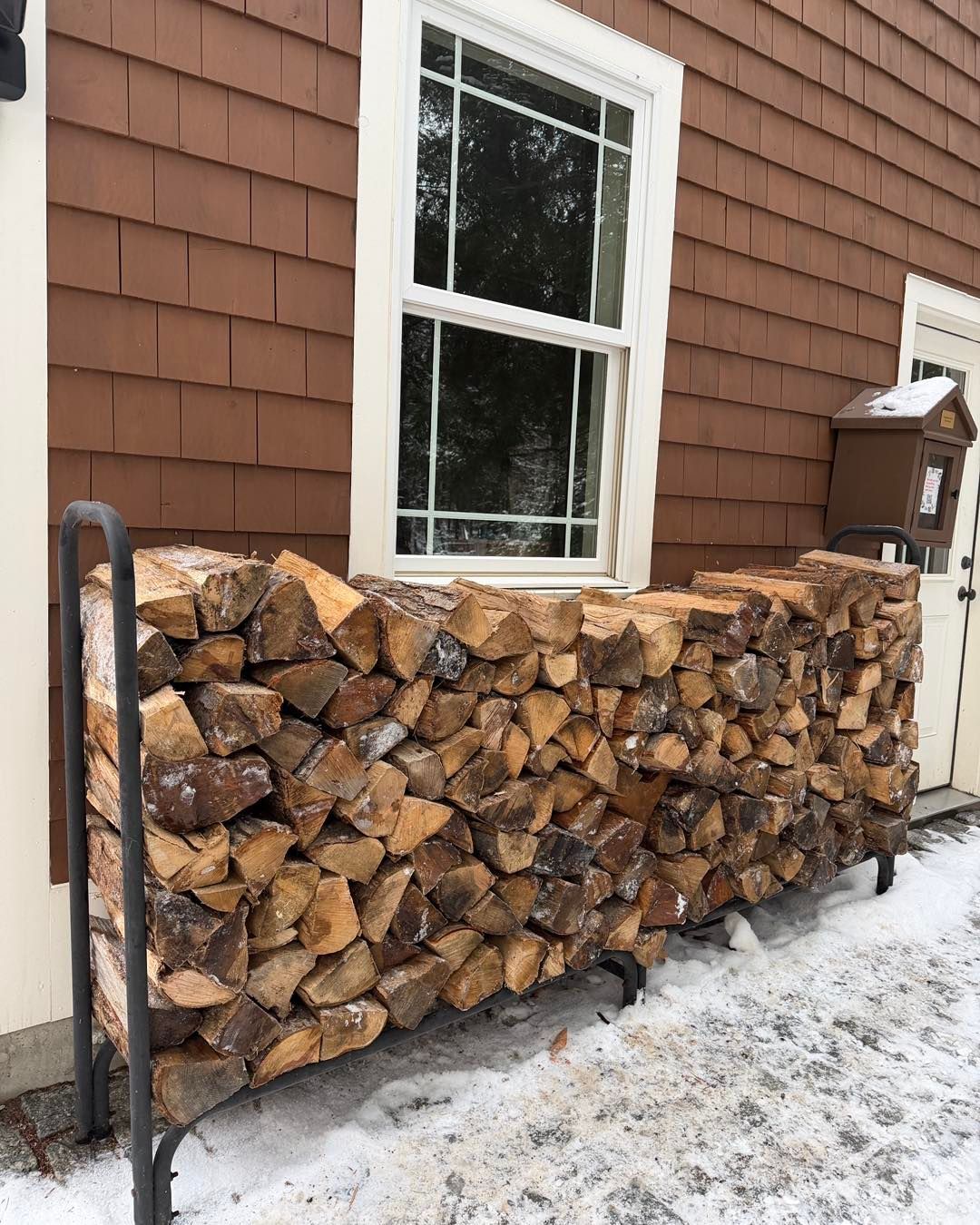
Firewood should be split and stacked off the ground in a well-ventilated area. Stacking with gaps between logs promotes airflow. Covering the top while leaving the sides exposed protects from rain while allowing drying.
Most hardwoods require six to twelve months to season properly. Denser woods like oak may require up to eighteen months.
Real-World Scenario
Consider a homeowner using green wood in an indoor fireplace during winter. The fire struggles to stay lit, produces heavy smoke, and leaves significant creosote in the chimney. In contrast, using properly seasoned hardwood results in consistent heat, lower fuel consumption, and reduced maintenance costs.
Moisture content often matters more than species. Even premium hardwood performs poorly if improperly seasoned.
Heat Output, Burn Time, and Efficiency Comparison
Understanding BTU Ratings
Firewood heat output is measured in British Thermal Units (BTUs). Dense hardwoods typically produce higher BTU values than softwoods. For example, oak and hickory rank among the highest in heat output per cord.
Indoor fireplaces benefit from high-BTU hardwoods because they maximize heating efficiency. Outdoor fire pits may prioritize flame visibility over maximum heat.
Burn Duration Differences
Hardwoods burn longer and produce sustained coals. This makes them ideal for both indoor heating and extended outdoor gatherings.
Softwoods burn quickly, producing large flames but shorter burn times. While visually appealing in a fire pit, they require frequent refueling.
Efficiency Considerations
Indoor fireplaces demand efficiency to reduce wood consumption and maintain consistent temperatures. Outdoor fire pits can tolerate lower efficiency but still benefit from dense wood that reduces constant tending.
Selecting the right wood improves cost-effectiveness. High-quality hardwood may cost more upfront but reduces overall consumption due to longer burn times.
Safety, Environmental Impact, and Best Practices
Spark Production and Fire Risk
Outdoor environments may tolerate minor spark production, but during dry seasons, even outdoor sparks pose wildfire risks. Hardwood species generally produce fewer sparks than resin-heavy softwoods.
Indoor fireplaces require low-spark wood to prevent embers from escaping into living spaces.
Environmental Considerations
Burning properly seasoned hardwood reduces particulate emissions. Many regions regulate wood burning due to air quality concerns. Using dry, clean wood supports compliance and reduces environmental impact.
Sustainably sourced firewood also contributes to responsible forest management. Avoiding treated or chemically processed wood protects both human health and air quality.
Best Practices for Both Settings
Always store firewood in a dry, ventilated space. Rotate stock to ensure older wood is used first. Inspect indoor chimneys annually and clean as needed to prevent creosote buildup.
For outdoor fire pits, maintain a safe perimeter and avoid burning during high winds. Use spark screens when appropriate.
Making informed firewood choices enhances safety, performance, and long-term satisfaction in both indoor and outdoor applications.
Experienced Professionals Delivering Quality Firewood Solutions
Selecting the correct firewood for an outdoor fire pit versus an indoor fireplace requires understanding how each environment functions. Outdoor fire pits allow greater flexibility but still benefit from seasoned hardwoods that provide steady flames and manageable smoke levels. Indoor fireplaces demand stricter standards, prioritizing dense hardwoods, low moisture content, and clean combustion to prevent creosote buildup and maximize heating efficiency. Moisture content, species density, heat output, and spark behavior all influence performance and safety.
For homeowners seeking dependable,
high-quality firewood, Firewood Supply New Hampshire
in Middleton, New Hampshire stands as a trusted authority in the industry. With over 7
years of experience, the company understands the critical differences between wood suited for outdoor fire pits and indoor fireplaces. Their expertise ensures customers receive properly seasoned hardwood that meets performance, safety, and efficiency standards. By focusing on quality sourcing, correct moisture content, and consistent supply, Firewood Supply New Hampshire
helps homeowners avoid common issues like excessive smoke, low heat output, and creosote buildup. Their commitment to reliability and customer education reflects a deep understanding of responsible wood-burning practices.